Week 0️⃣ 7️⃣
Liquid Death
🔊 Audio
📜 Show transcript
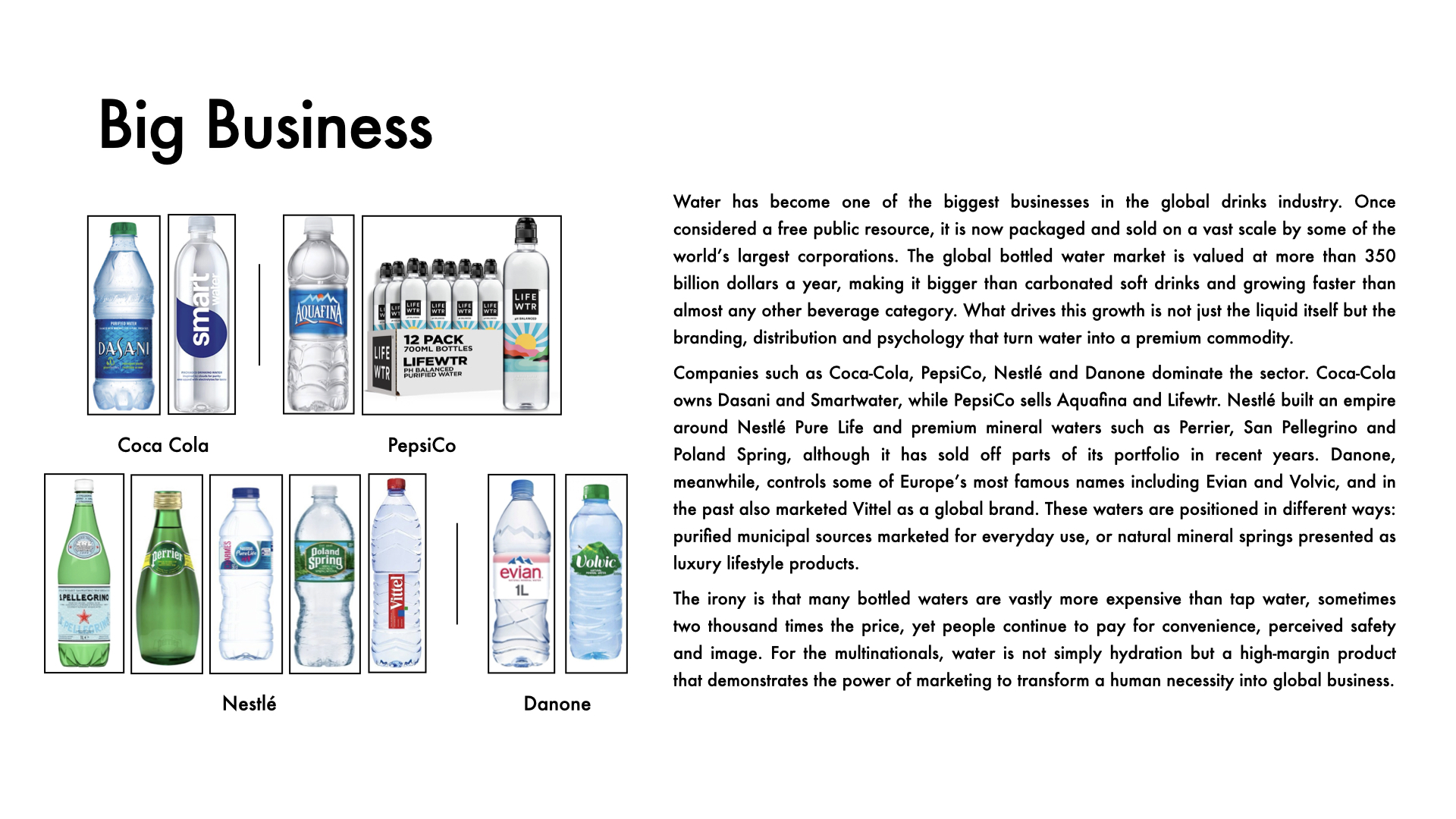
Bottled water has grown into one of the largest parts of the global drinks industry. Once considered a free public resource, it is now packaged and sold on a vast scale by multinational corporations. The bottled water market was valued at over $300 billion in 2024, which is smaller than the carbonated soft drinks market by value, however, in the United States, bottled water outsells carbonated soft drinks in terms of volume.
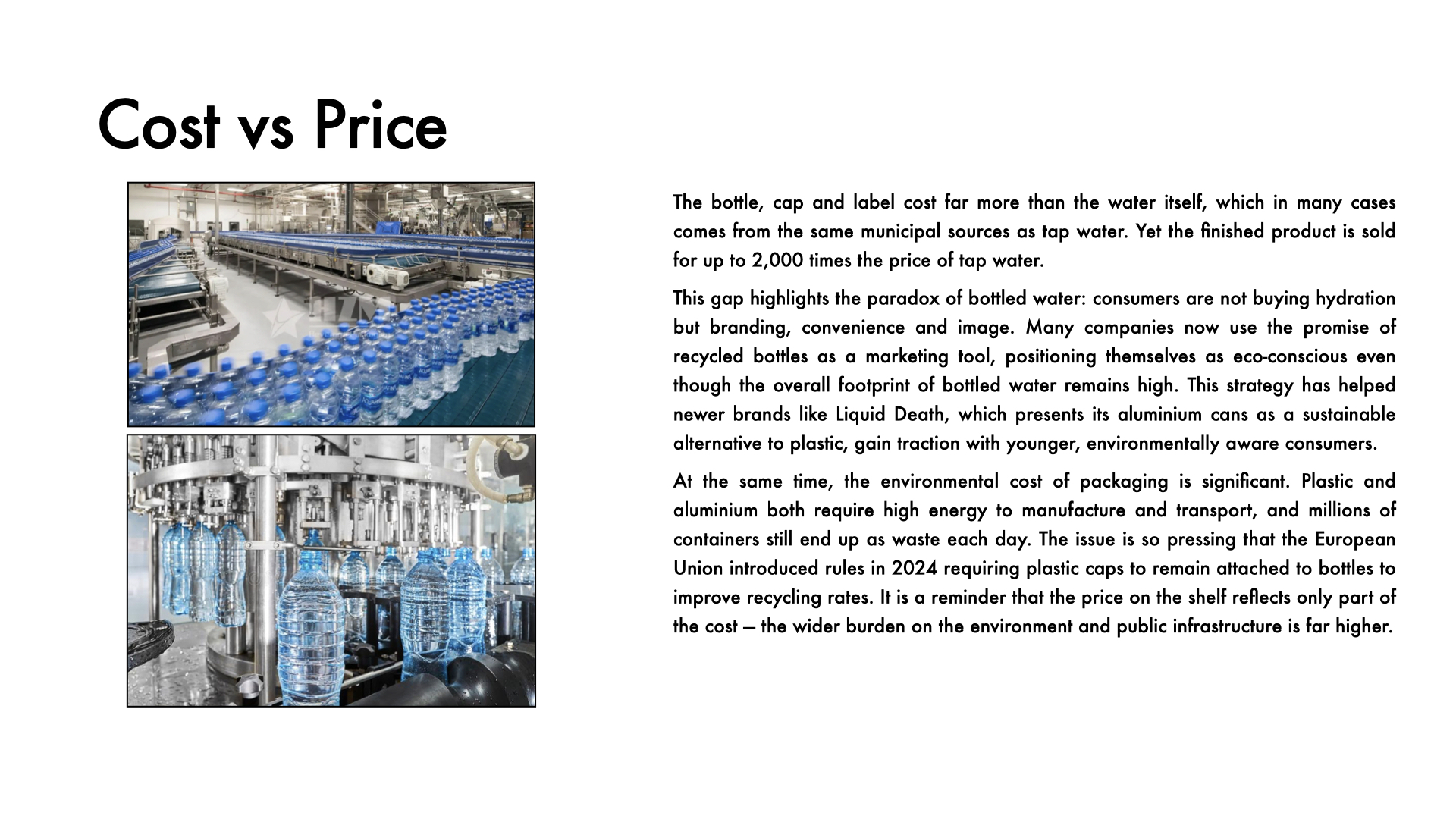
What drives this growth is not the liquid itself but packaging, distribution and branding. The bottle, cap and label often cost more than the water inside, which in many cases comes from municipal supplies. Consumers pay up to two thousand times more than the price of tap water, while companies market recycled bottles and tethered caps as environmental responsibility.
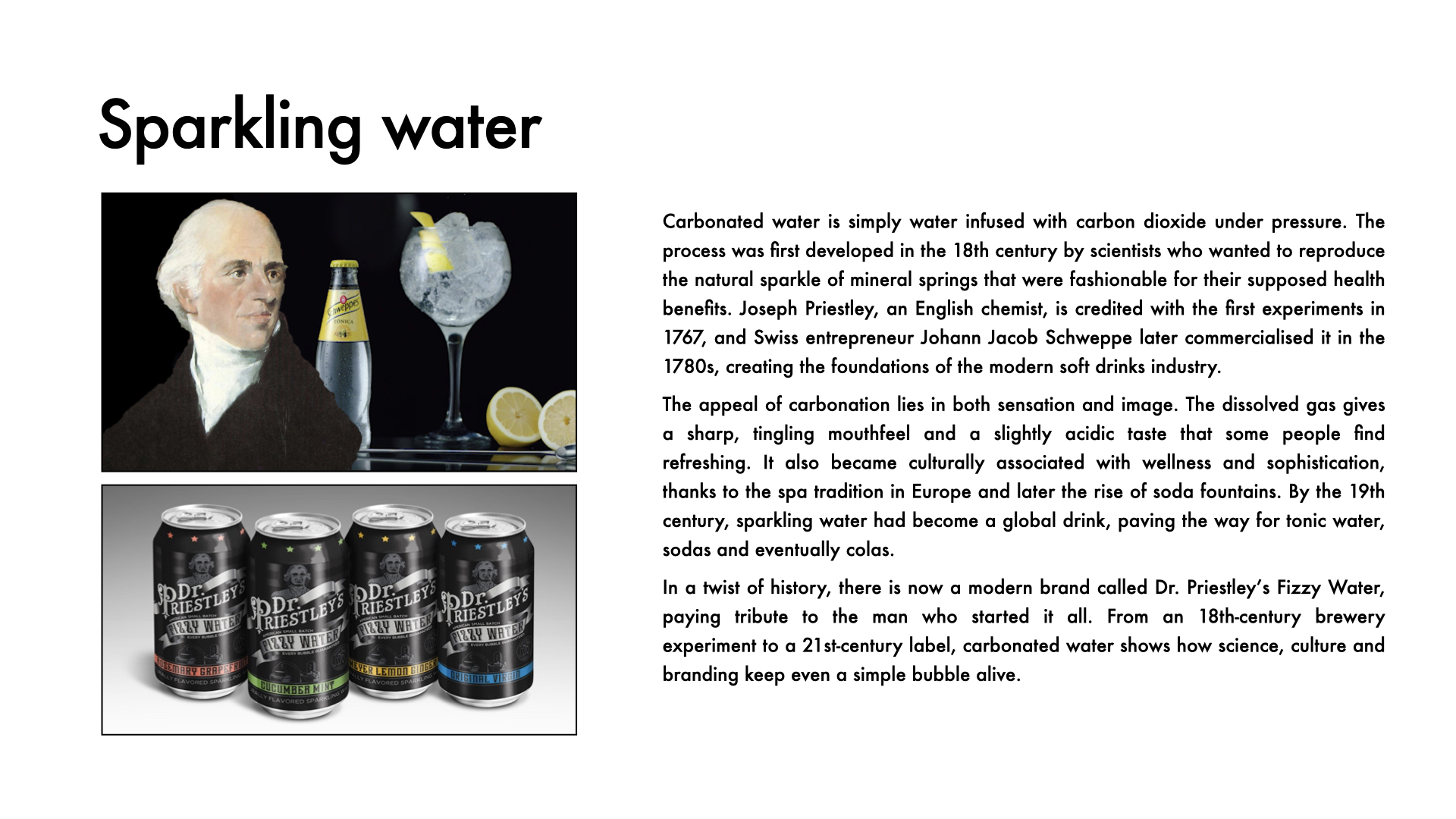
In 1767 the English chemist Joseph Priestley discovered how to add carbon dioxide to water, creating the first artificial fizz. A few years later Johann Jacob Schweppe built a business around the process, founding one of the earliest soft drink companies. What began as an experiment in a brewery went on to inspire the entire soda industry. Today, the link to those origins is even visible in modern branding, with a craft label called Dr Priestley’s Fizzy Water paying tribute to the man who first put bubbles in a glass.
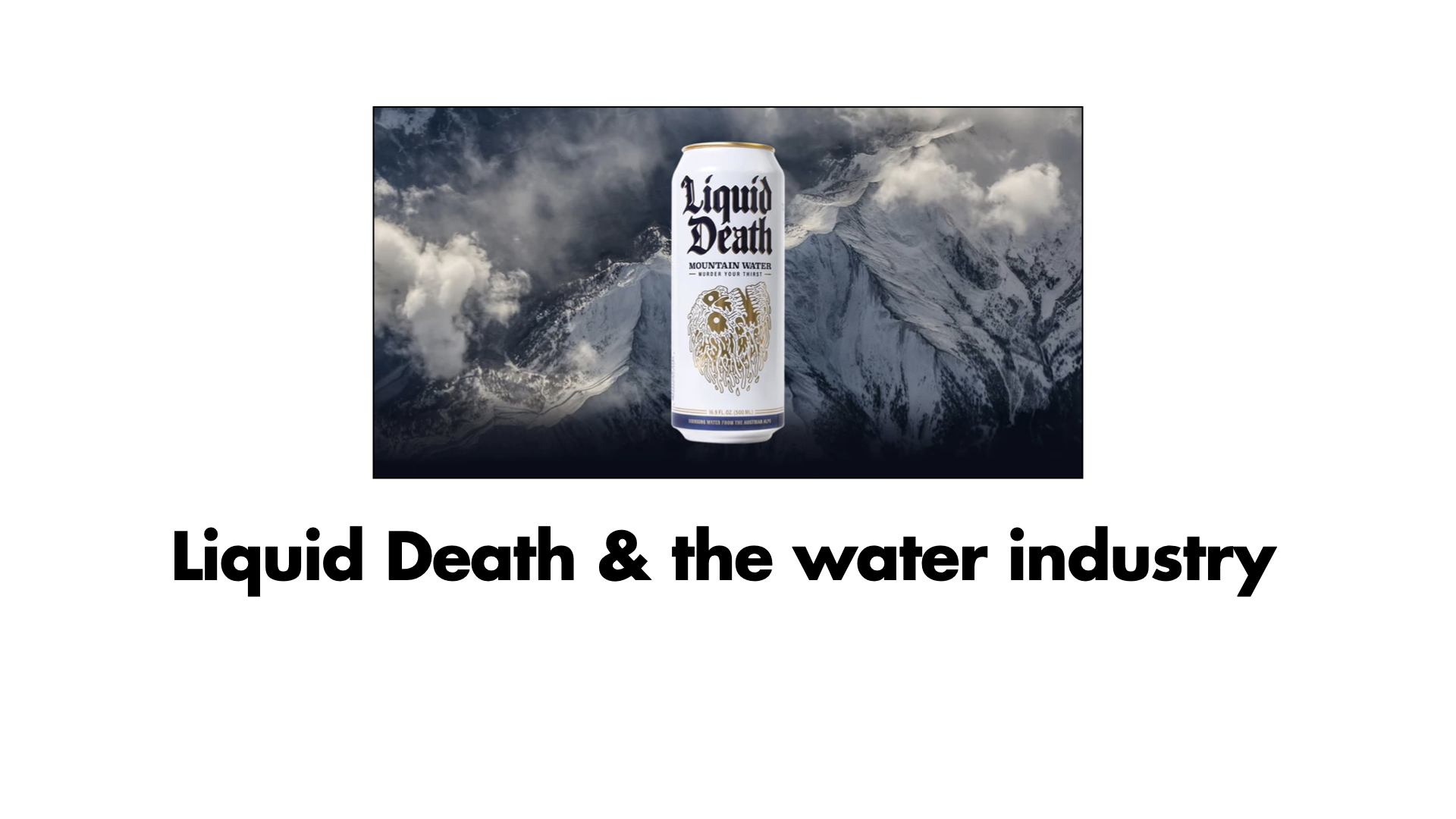
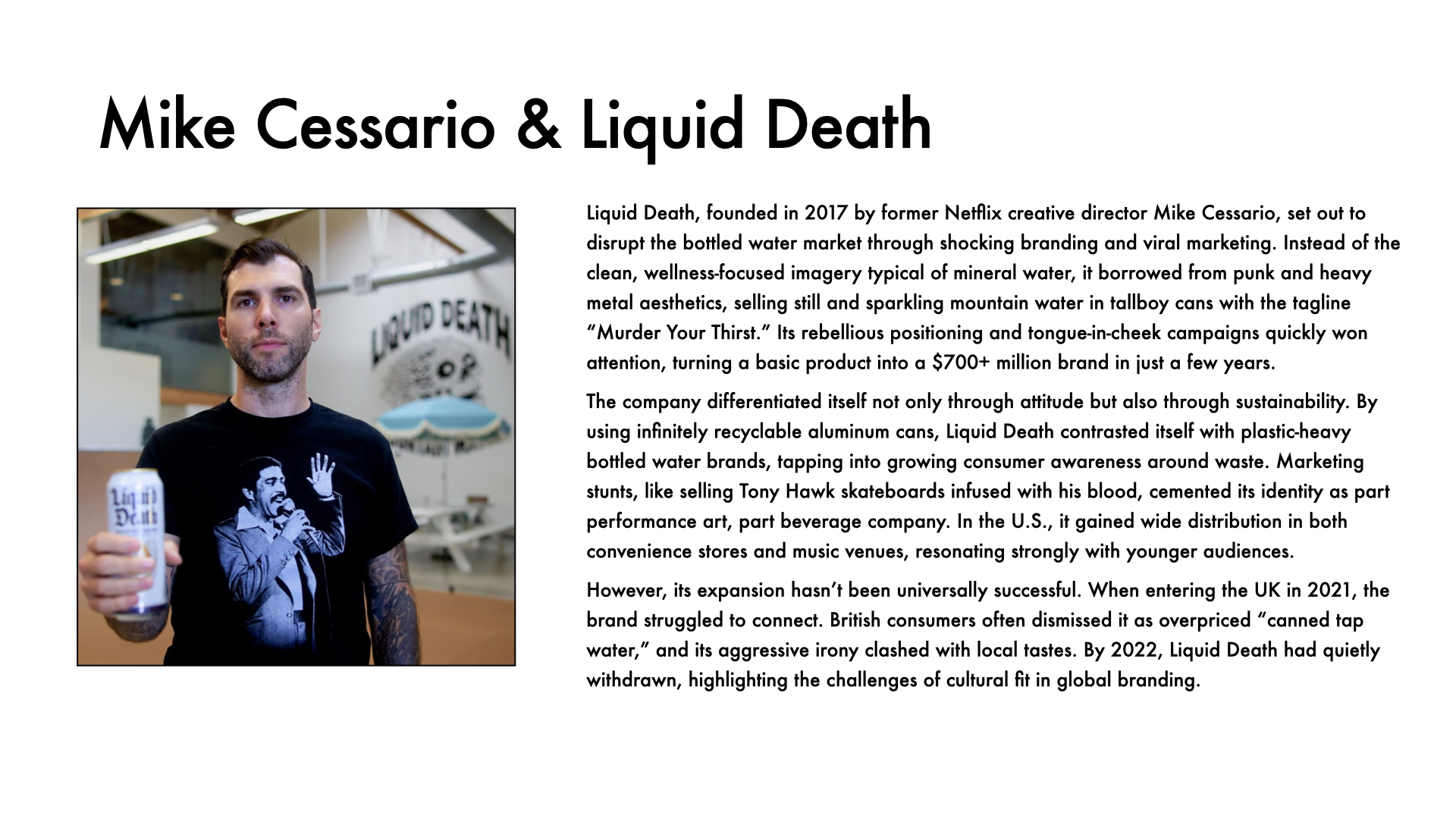
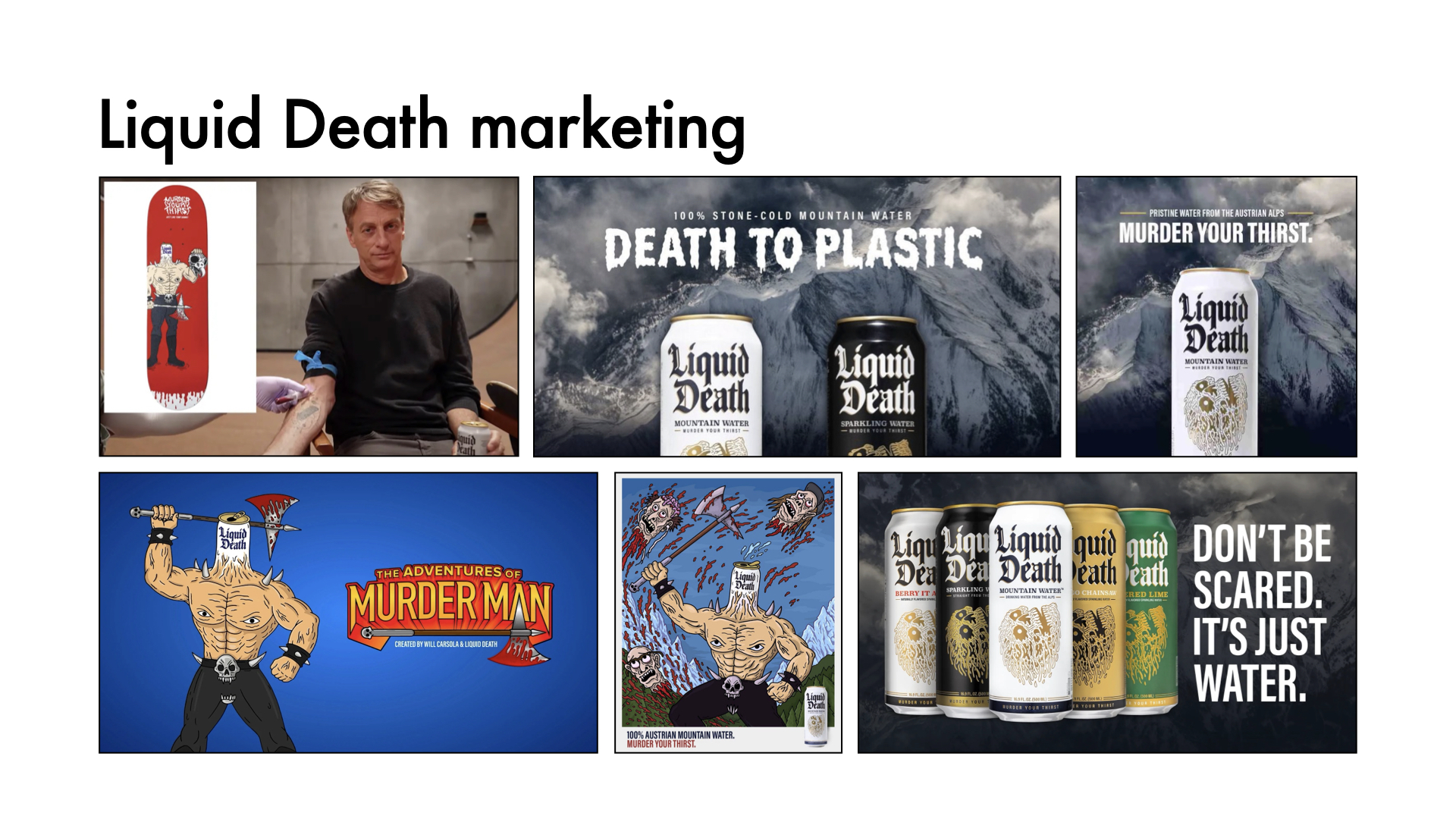
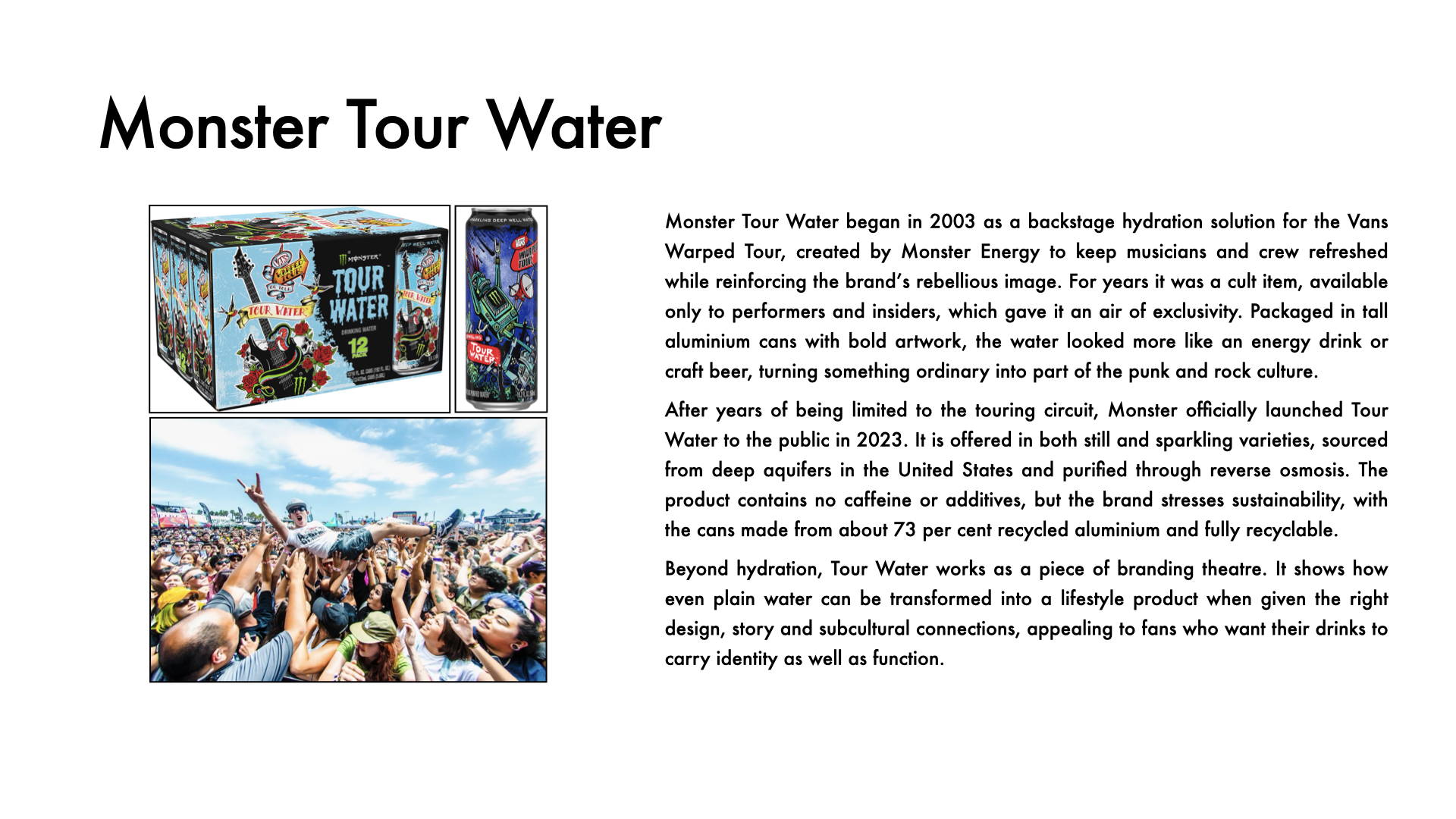
Some brands have succeeded by using disruptive imagery. Liquid Death, founded in 2017 by Mike Cessario, sold mountain water in beer-style cans with the slogan “Murder Your Thirst”. Its heavy-metal branding and viral stunts won attention in the United States, although the product failed to connect with British consumers. Monster took a different route with Tour Water, first given to musicians on the Vans Warped Tour. Launched publicly in 2023, it is sold in aluminium cans and presented as part of punk and rock culture rather than just hydration.
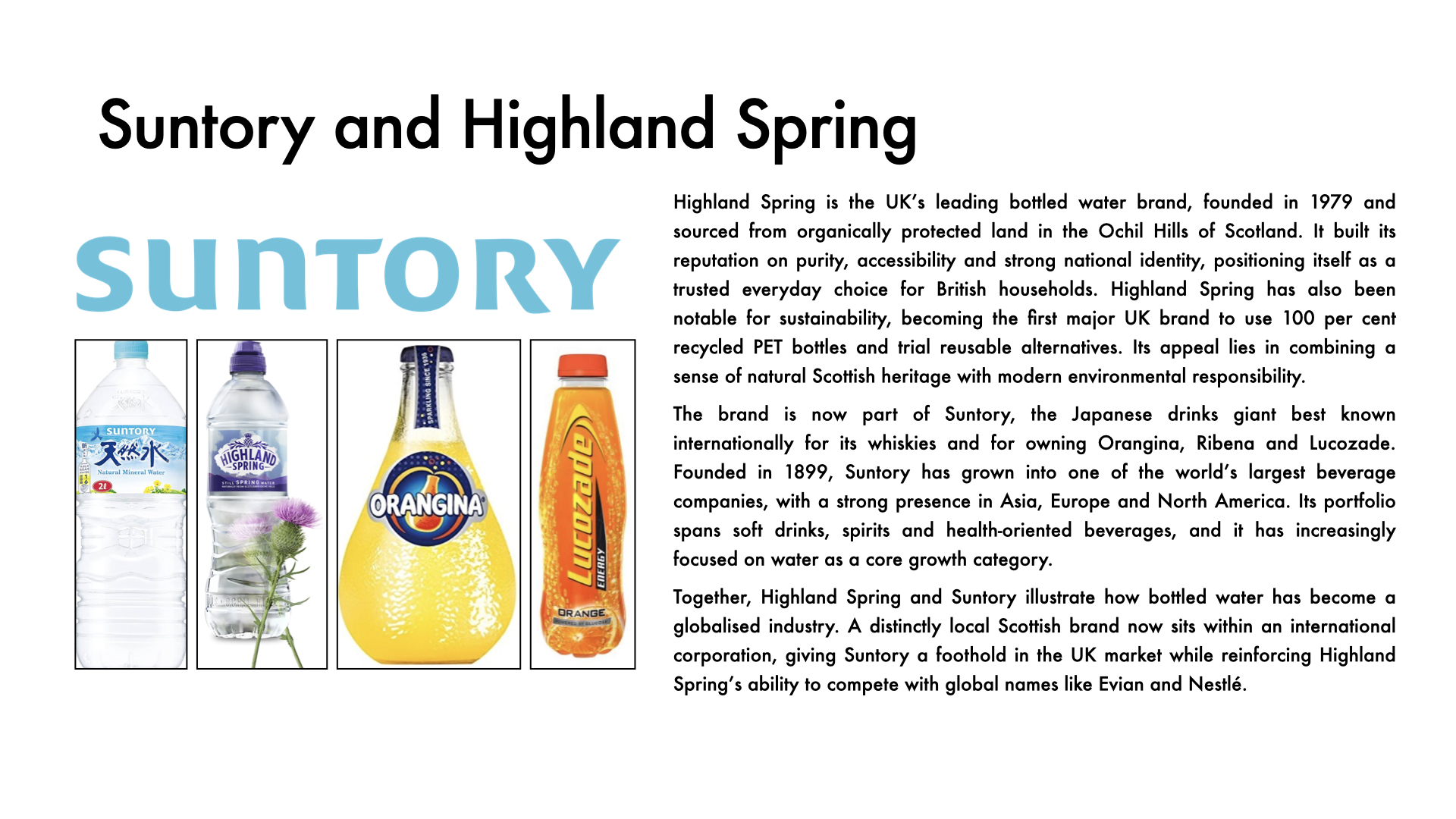
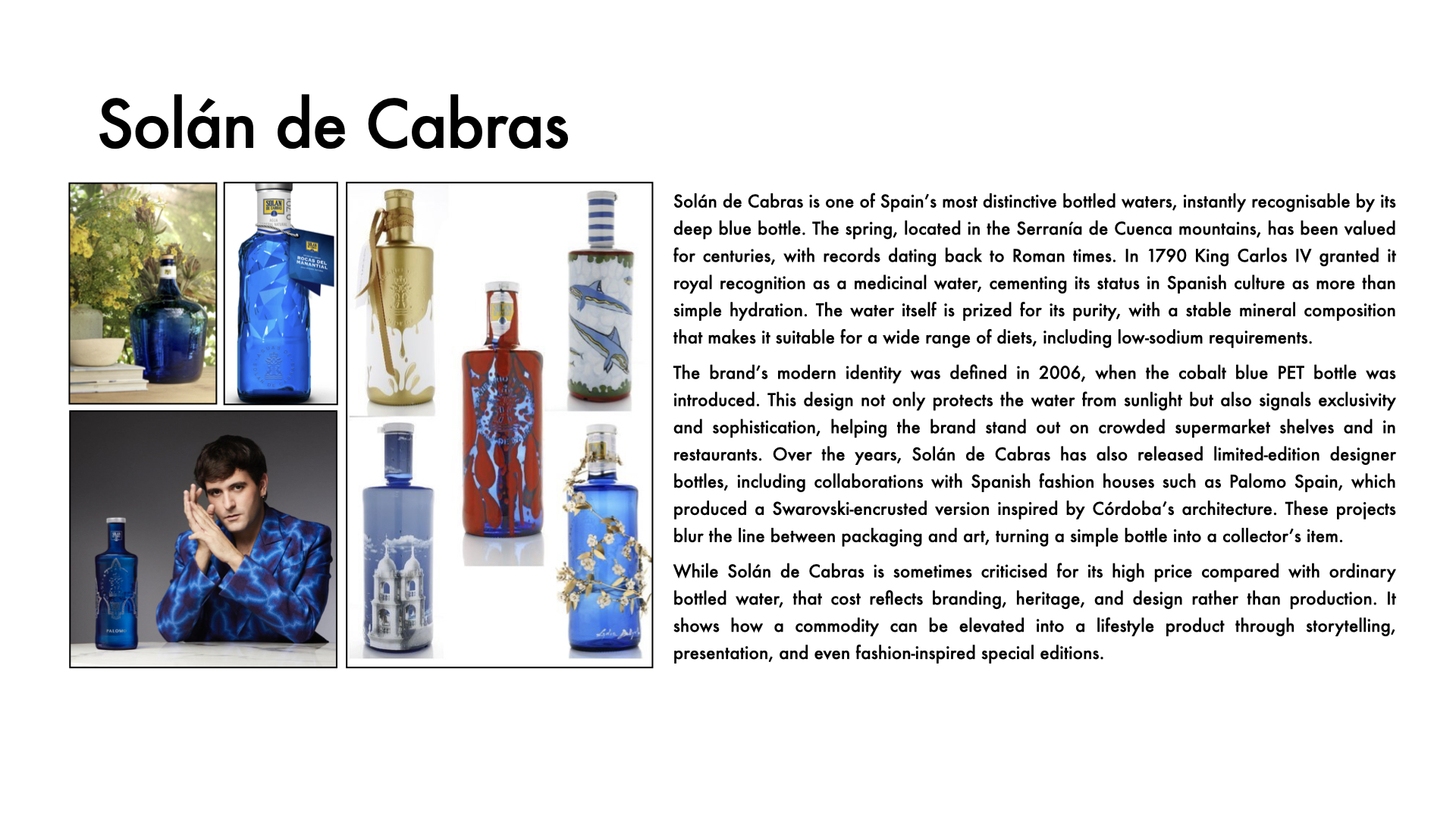
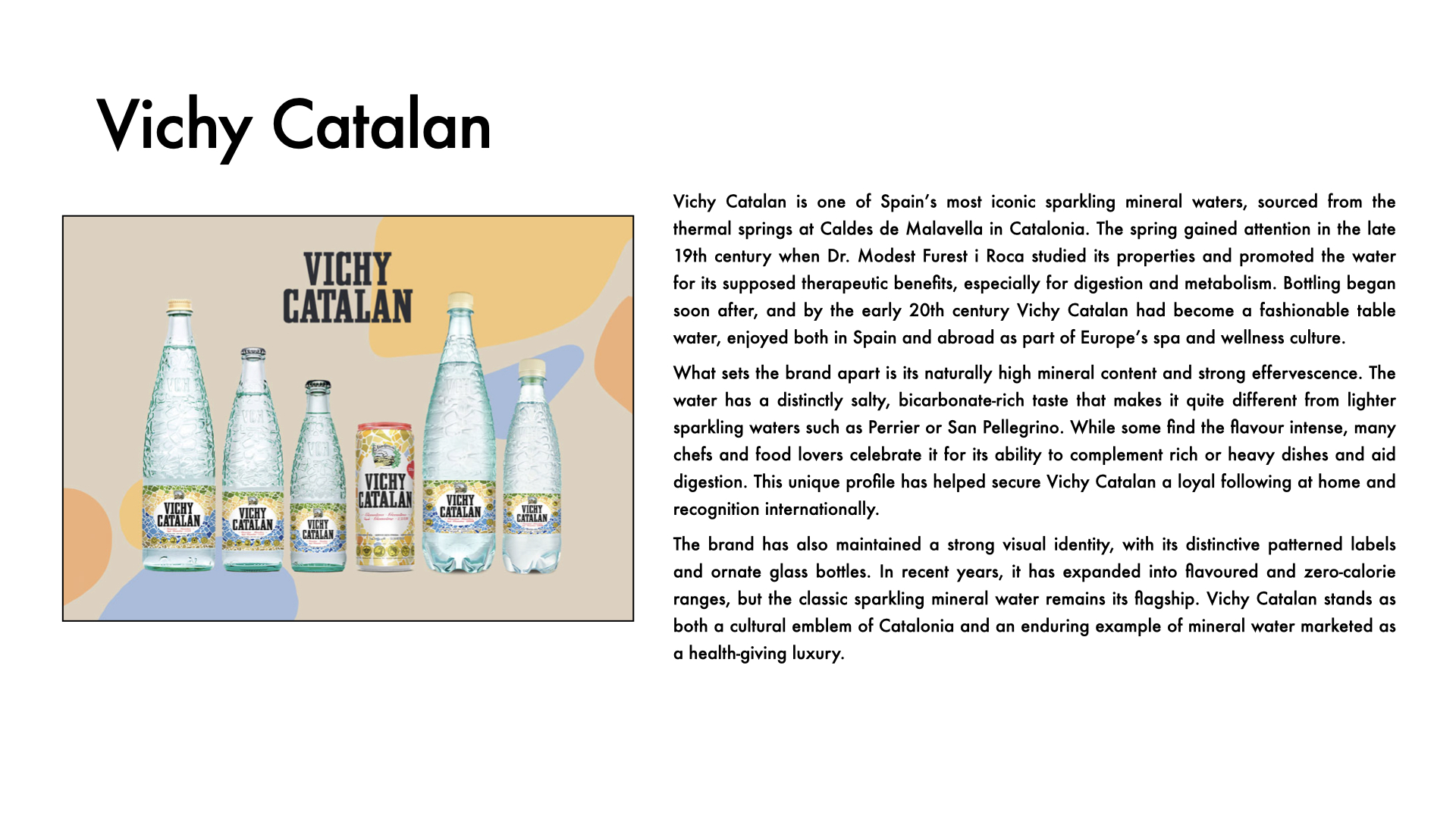
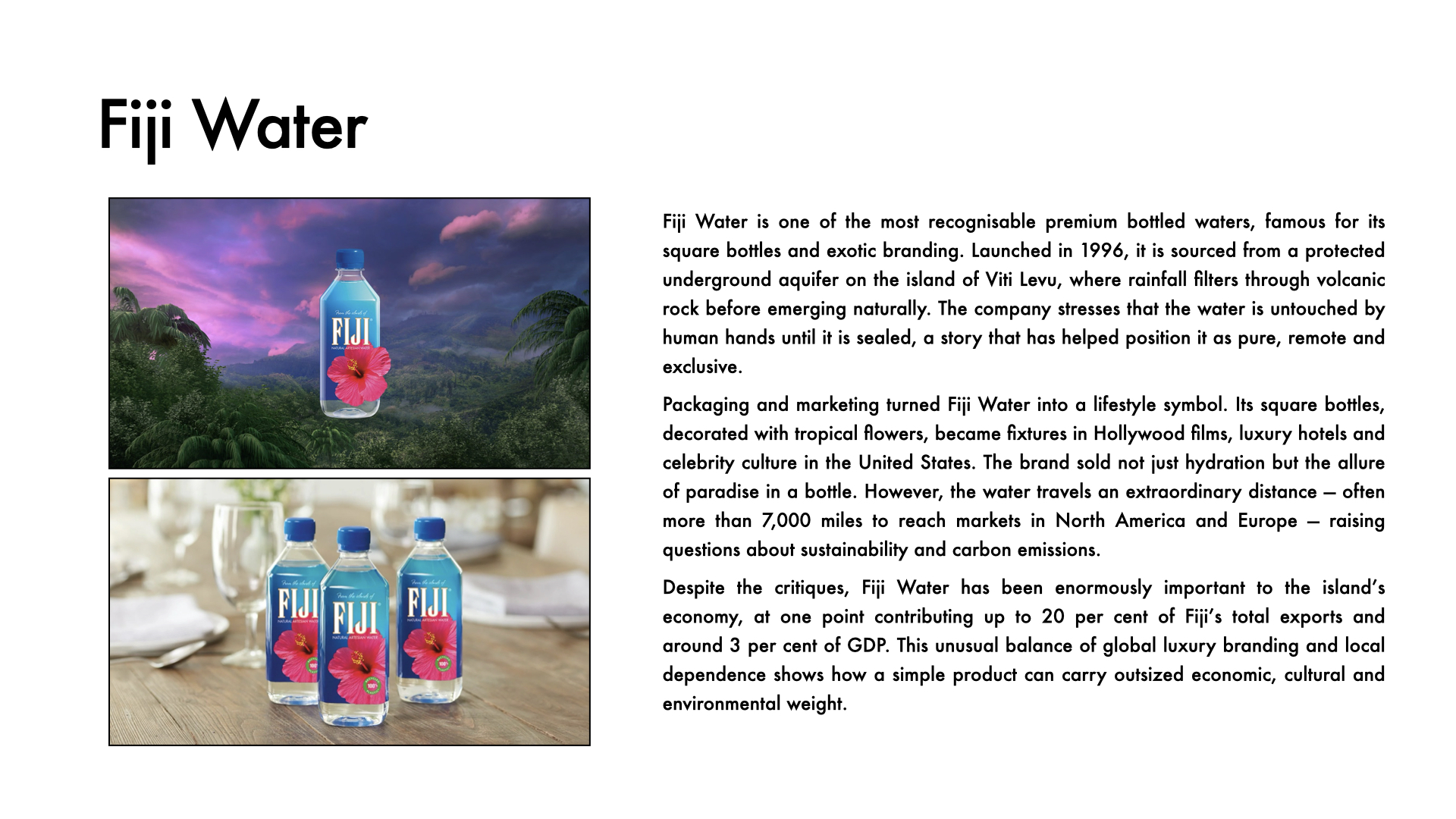
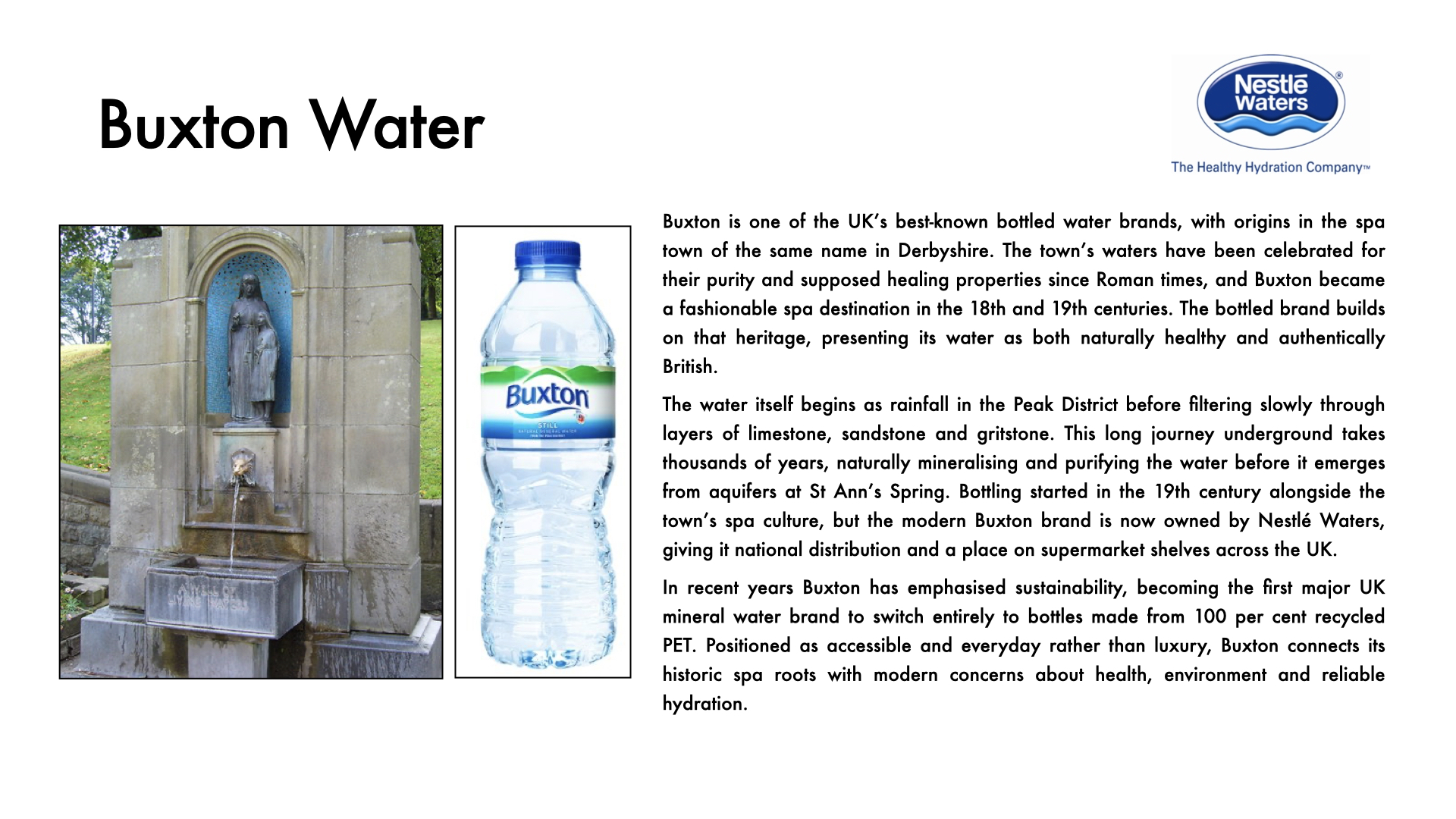
Other companies focus on heritage and national pride. Solán de Cabras, from Spain, is bottled in distinctive blue containers and marketed as a luxury lifestyle water, often linked to fashion and high-end dining. Vichy Catalan, also from Spain, has a salty taste due to its high mineral content and is valued for its digestive qualities. In Britain, Buxton trades on the history of St Ann’s Well in Derbyshire, while Highland Spring emphasises the purity of the Ochil Hills in Scotland and is now part of the Japanese Suntory group. Fiji Water is exported thousands of miles and at one point contributed around three per cent of Fiji’s GDP, showing how a local spring can become a global business.
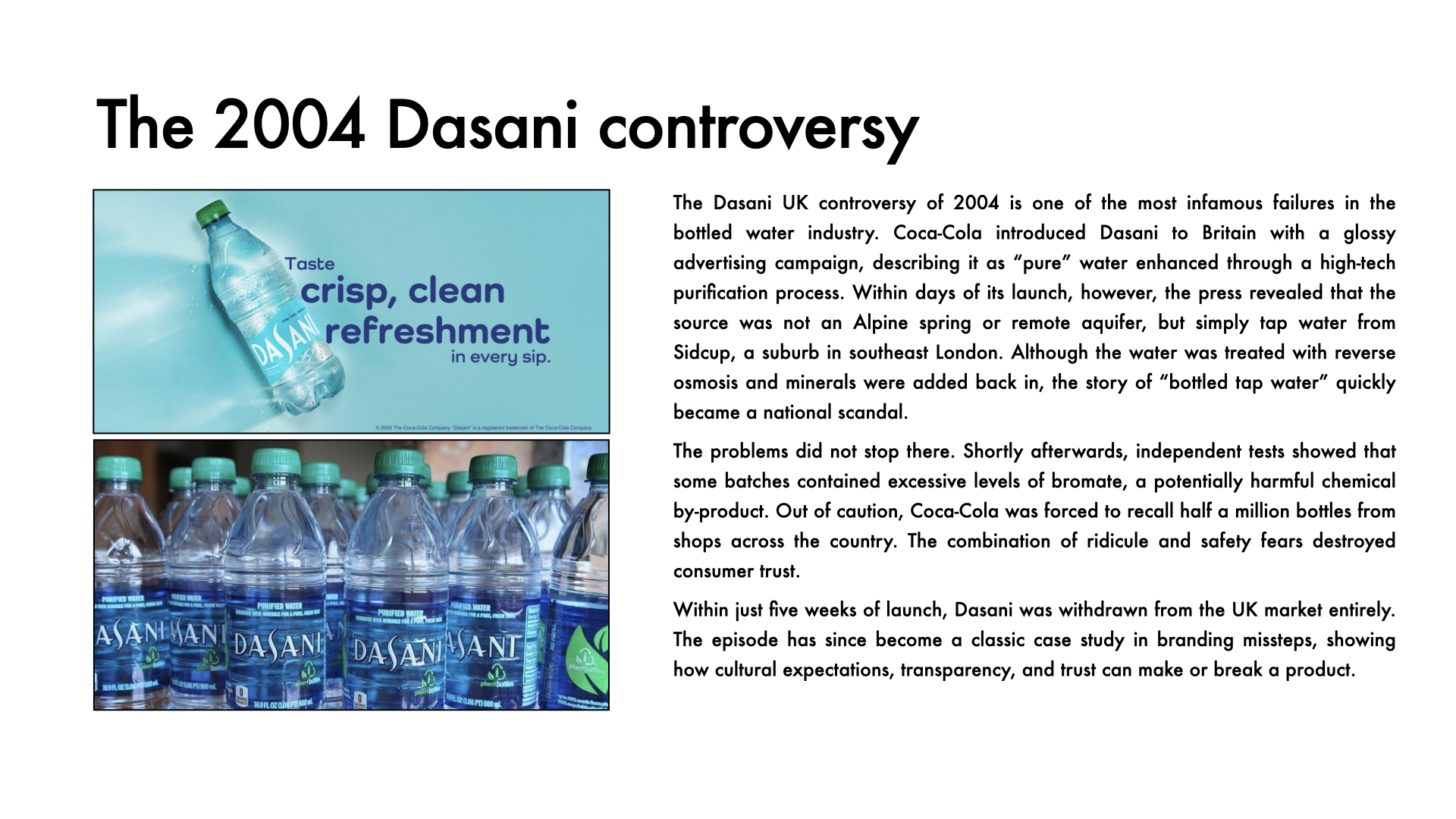
There are also cautionary tales. In 2004 Coca-Cola launched Dasani in Britain, presenting it as pure and enhanced water. It was quickly revealed to be treated tap water from Sidcup, and soon after a contamination scare forced a recall. Within five weeks the brand was withdrawn. At the luxury end, Bling H2O takes spring water from Tennessee and sells it in frosted glass bottles decorated with Swarovski crystals. Prices can reach several hundred dollars per bottle, making it less about hydration and more about display. It demonstrates how branding and packaging can transform the simplest commodity into a symbol of wealth and exclusivity.
📽️ Slideshow

📺 Video
▶️ The Hustle: Why Liquid Death Failed in the UK
▶️ Johnny Harris: The problem with bottled water
▶️ The history of Scweppes - the oldest soft drinks brand in the world
▶️ Official Liquid Death YouTube Channel
▶️ CNBC - How Liquid Death's Founder Started A $700 Million Water Brand
▶️ Bloomberg originals - How Liquid Death Turned Advertising Around
🔑 Key Vocabulary
- Aquifer – An underground layer of rock or soil that stores water and allows it to flow naturally.
- Beverage Industry – The global business of producing and selling drinks, including water, soft drinks, and alcohol.
- Bromate – A chemical by-product of water purification that can be harmful at high levels.
- Carbonated – Containing dissolved carbon dioxide gas, giving water or soft drinks their fizz.
- Commodity – A basic product that can be traded in large quantities, often seen as interchangeable.
- Consumer Trust – The confidence people place in a brand or product to be safe, honest, and reliable.
- Distribution – The process of delivering goods from the producer to shops and consumers.
- Exclusivity – The quality of being available only to a limited group, often used to create a sense of luxury.
- Heritage – Traditions, history, and cultural associations linked to a product or place.
- Markup – The difference between the cost of making a product and the price charged to consumers.
- Mineral Content – The amount and type of minerals naturally present in spring or bottled water.
- Municipal Supply – Water provided by a city or town’s public system, often used as the source for bottled water.
- Packaging – The bottles, caps, and labels used to contain and present a product.
- Premium Brand – A product marketed as high quality or luxury, often sold at a higher price.
- Purification – The process of cleaning water by removing impurities, sometimes through reverse osmosis.
- Sustainability – Practices that aim to reduce environmental harm and ensure resources are not exhausted.
- Tap Water – Water supplied to homes and buildings through pipes, usually much cheaper than bottled water.
- Wellness Culture – A lifestyle trend that emphasises health, purity, and self-care, often used in water marketing.
- Transparency – Openness and honesty from companies about how products are made and sourced.
- Viral Marketing – Advertising designed to spread quickly online through social media and sharing.
💬 Conversation Questions
- Do you usually drink bottled water, tap water, or both? Why?
- How important is the taste of water to you when choosing what to drink?
- What bottled water brands are most common in your country, and what do they represent?
- Would you pay more for bottled water because of design or image, like Fiji or Solán de Cabras?
- How do you feel about luxury waters such as Bling H2O that sell for hundreds of dollars?
- What do you think about companies selling treated tap water, such as Dasani in the UK?
- Do you worry about the environmental impact of bottled water packaging?
- Would you choose a brand like Liquid Death because of its marketing, or do you find it silly?
- In your opinion, should water always be free as a public resource, or is it fair to sell it?
- Do you prefer still or sparkling water, and why?
- What do you think about the history of carbonated water and how it led to soft drinks?
- How do you feel when you see public drinking fountains disappearing in favour of bottled water?
- If you could redesign bottled water for the future, what would it look like?
- What role do you think cultural taste plays in the success or failure of a water brand?
- Will bottled water remain a growing industry, or do you think people will return to tap water?
🌐 Links
- International Bottled Water Association
- Be More Specific (podcast) – Why Do We Buy Bottled Water?
- Gastropod (podcast) – Bottled vs Tap: The Battle to Quench Our Thirst
- Reuters Visualisation – Drowning in Plastic (global bottle waste)
- Meet the water sommeliers: they believe H₂O can rival wine – but would you pay £19 a bottle?