Week 2️⃣ 7️⃣
Tradables
🔊 Audio
📜 Show transcript
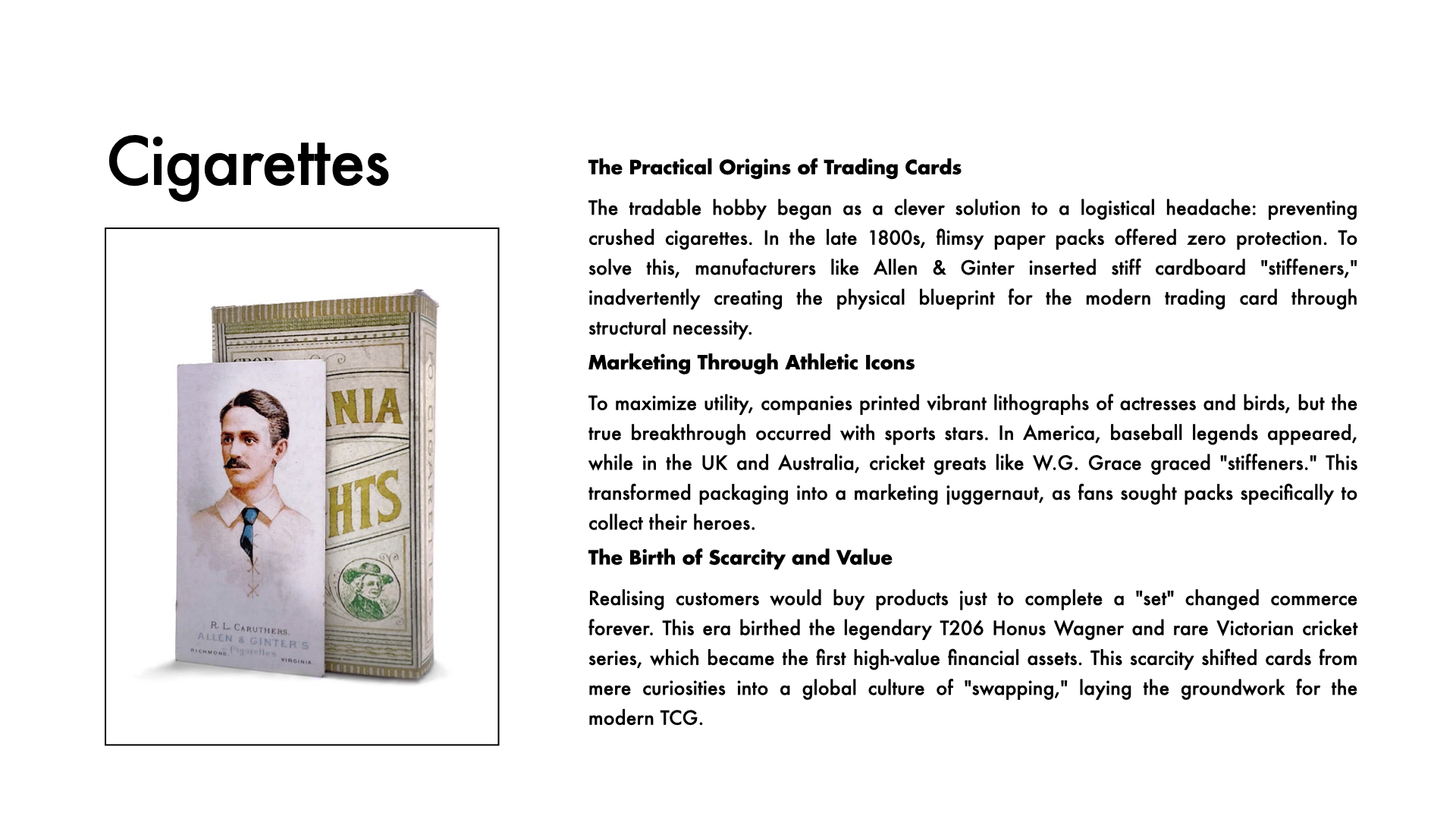
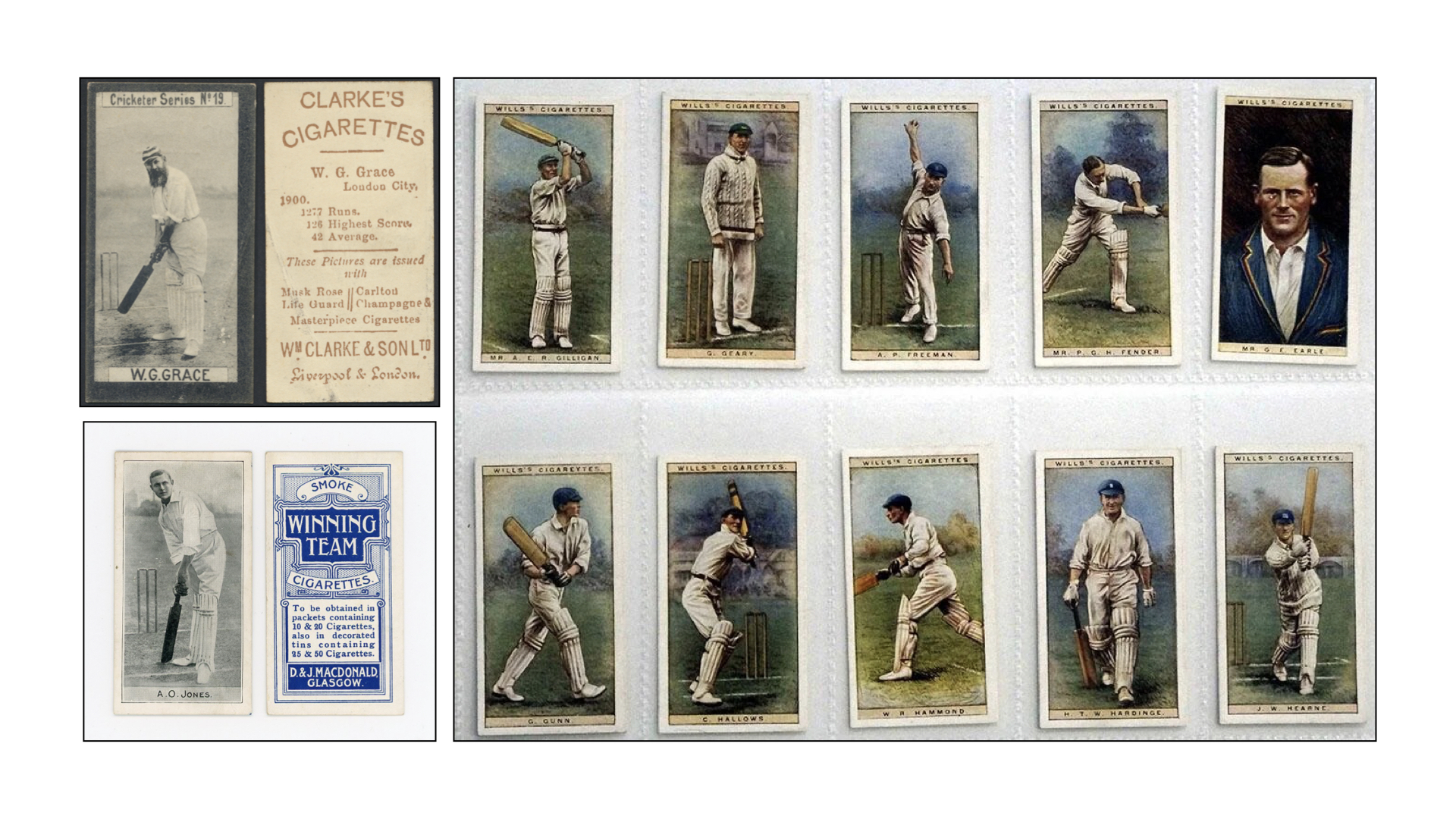
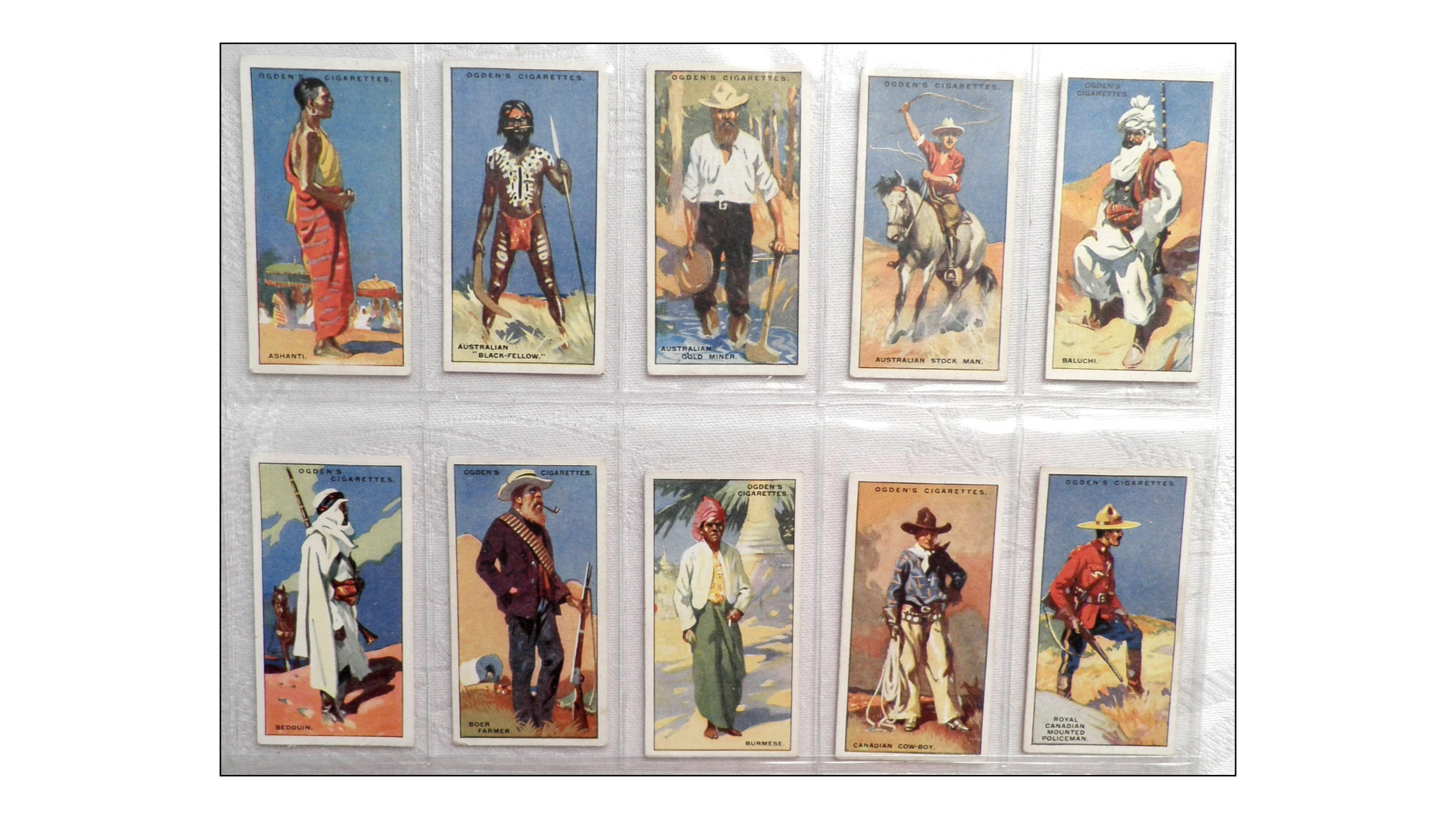
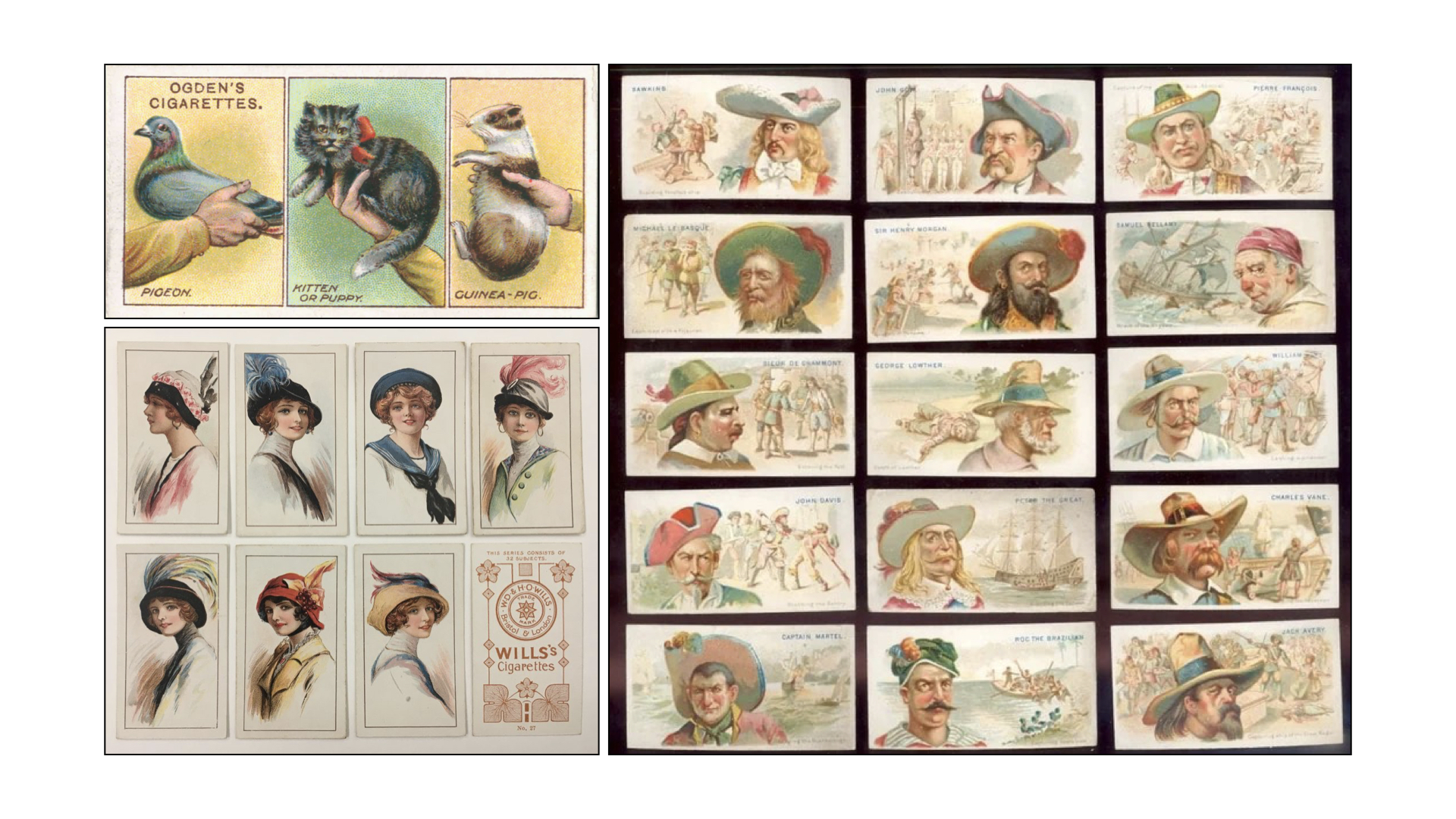
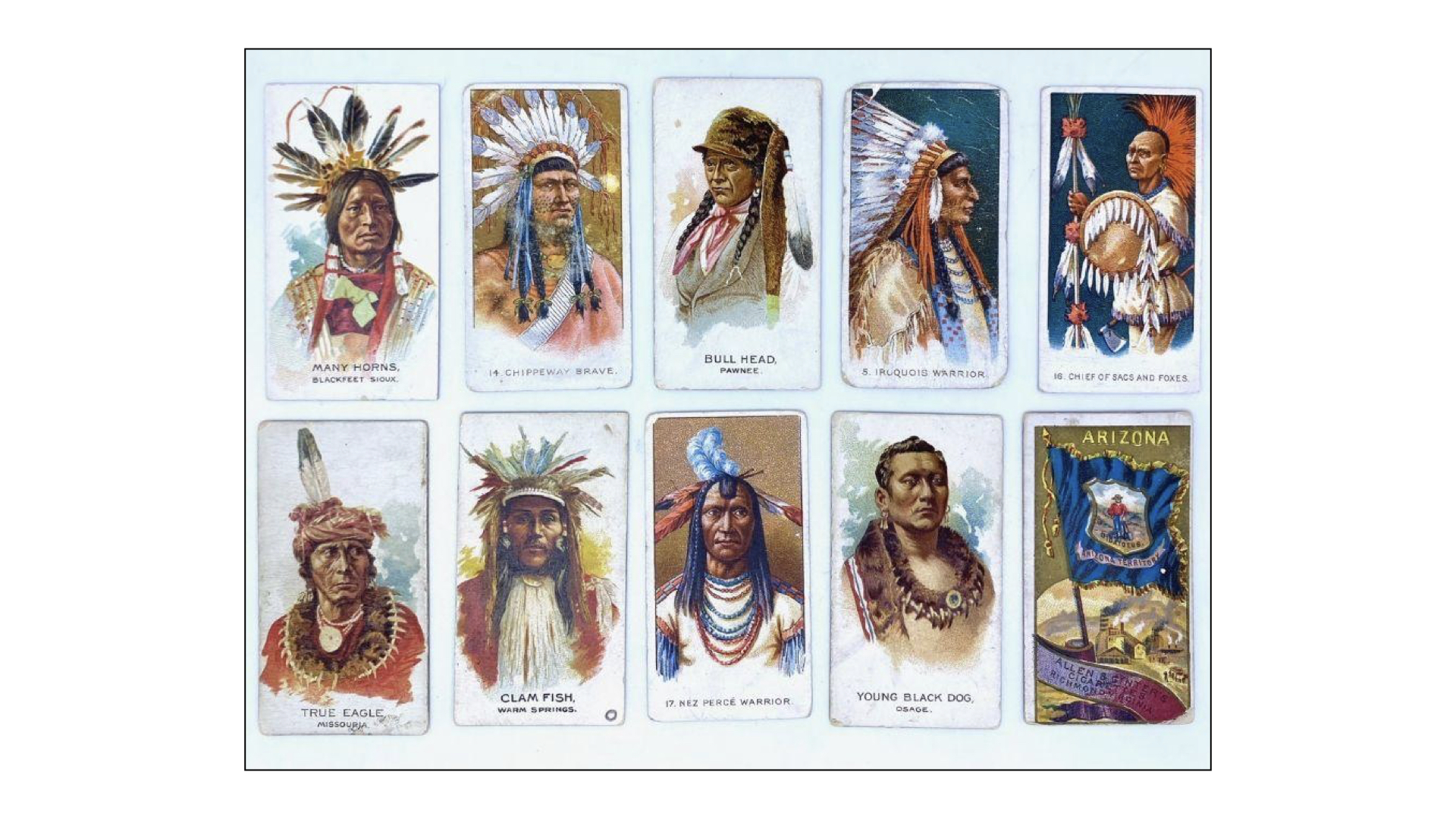
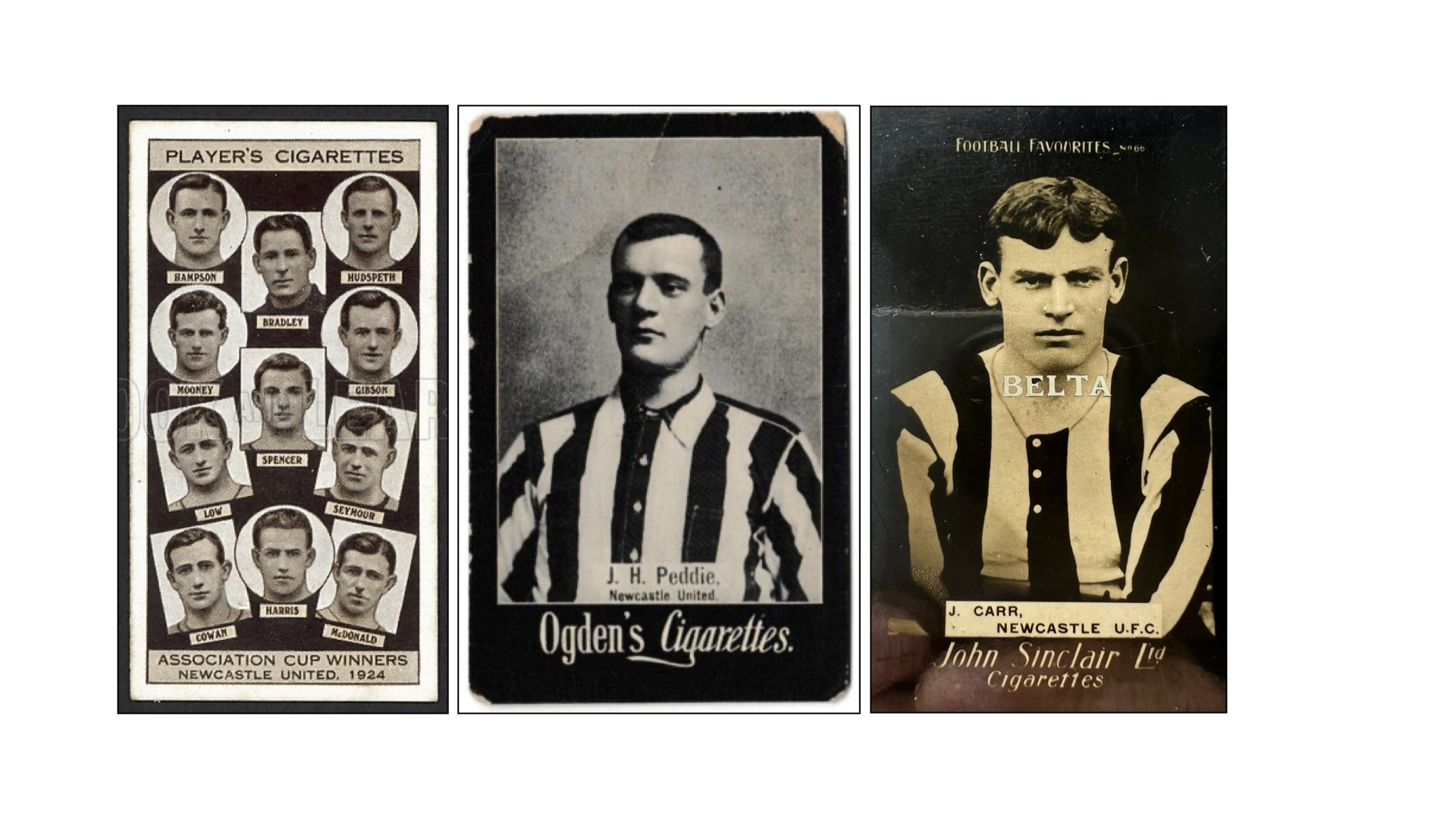
The history of trading cards is a journey from industrial utility to elite financial asset. What began in the late 19th century as a “logistical headache” has grown into a multi-billion-dollar global industry. Tobacco manufacturers such as Allen & Ginter and W.D. & H.O. Wills inserted cardboard “stiffeners” into cigarette packs to prevent damage, and quickly turned them into printed collectibles featuring actresses, birds and sports stars. While baseball dominated in the United States, cricket became central in the UK and Australia, with early sets celebrating leading players. Over time, these early cards began to establish a culture of collecting that outlived the products they were originally designed to protect.
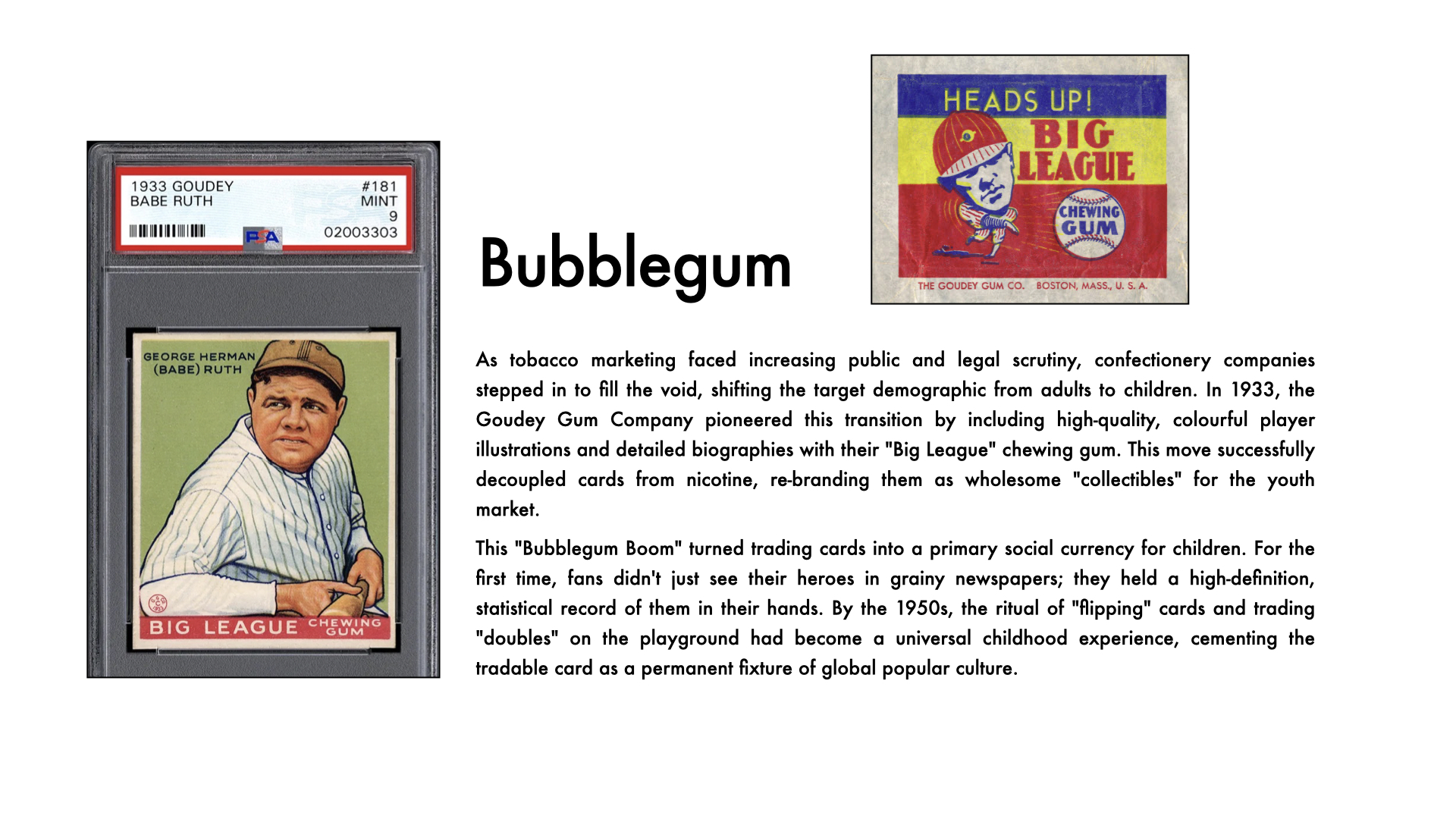
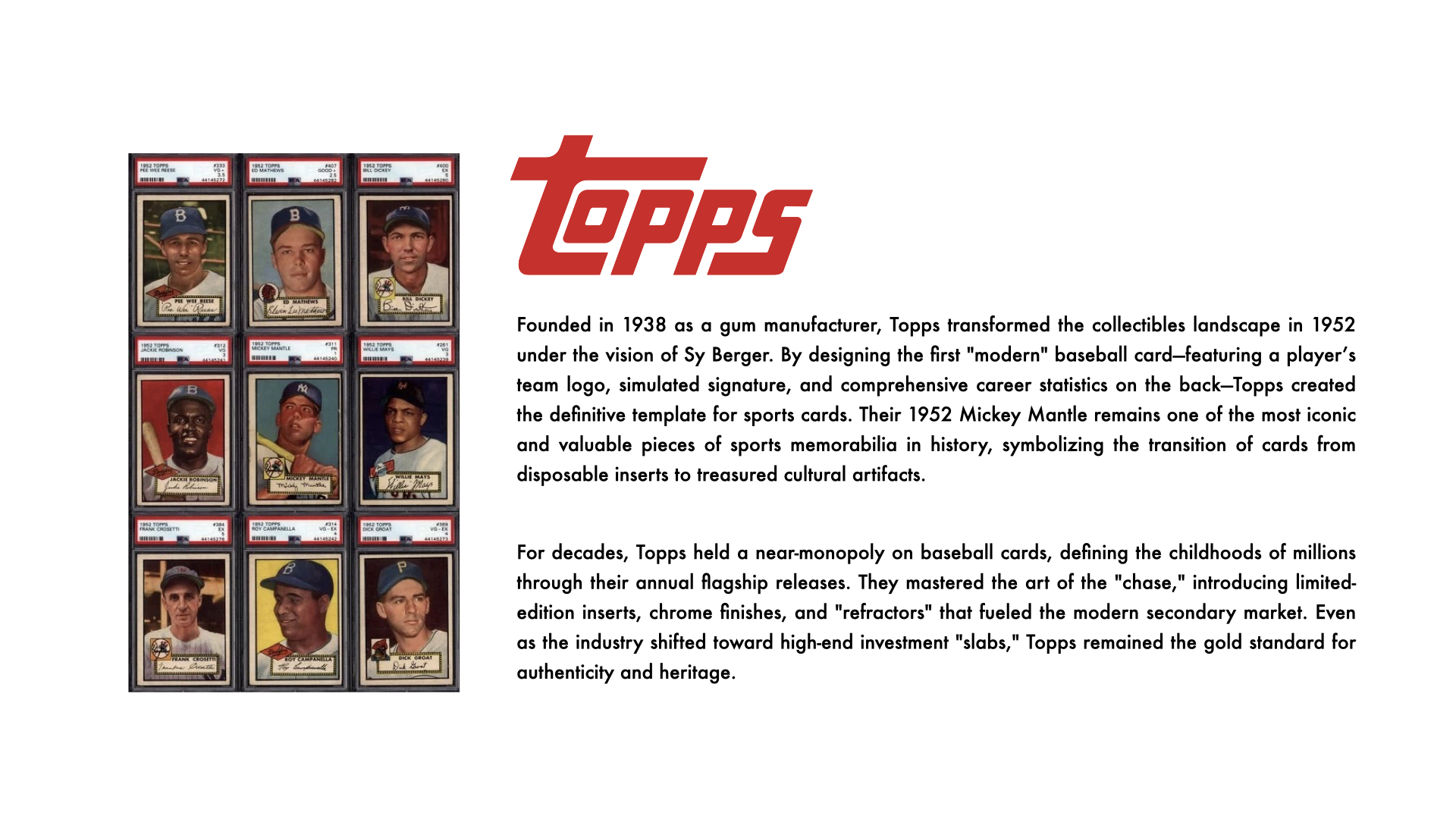
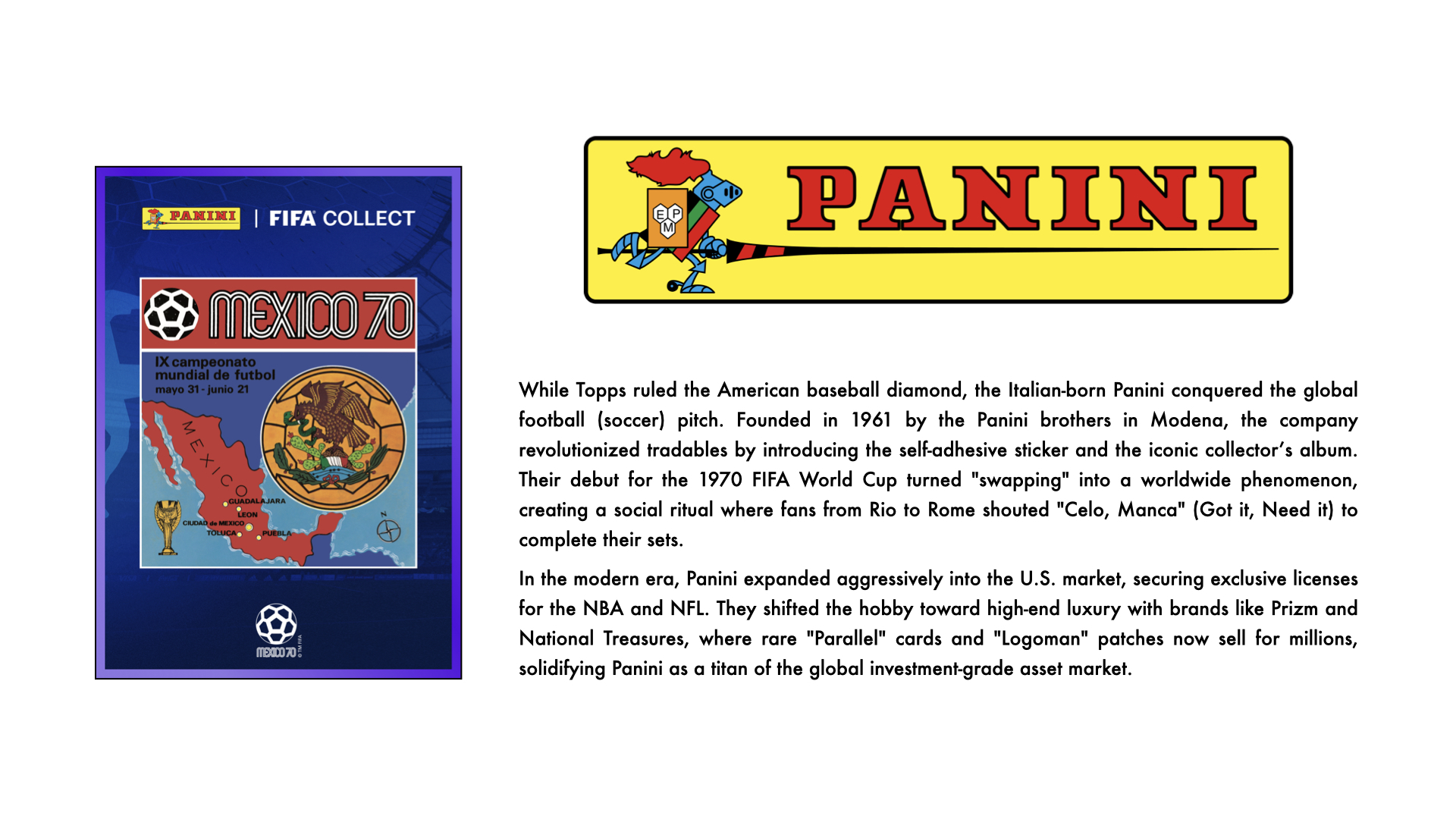
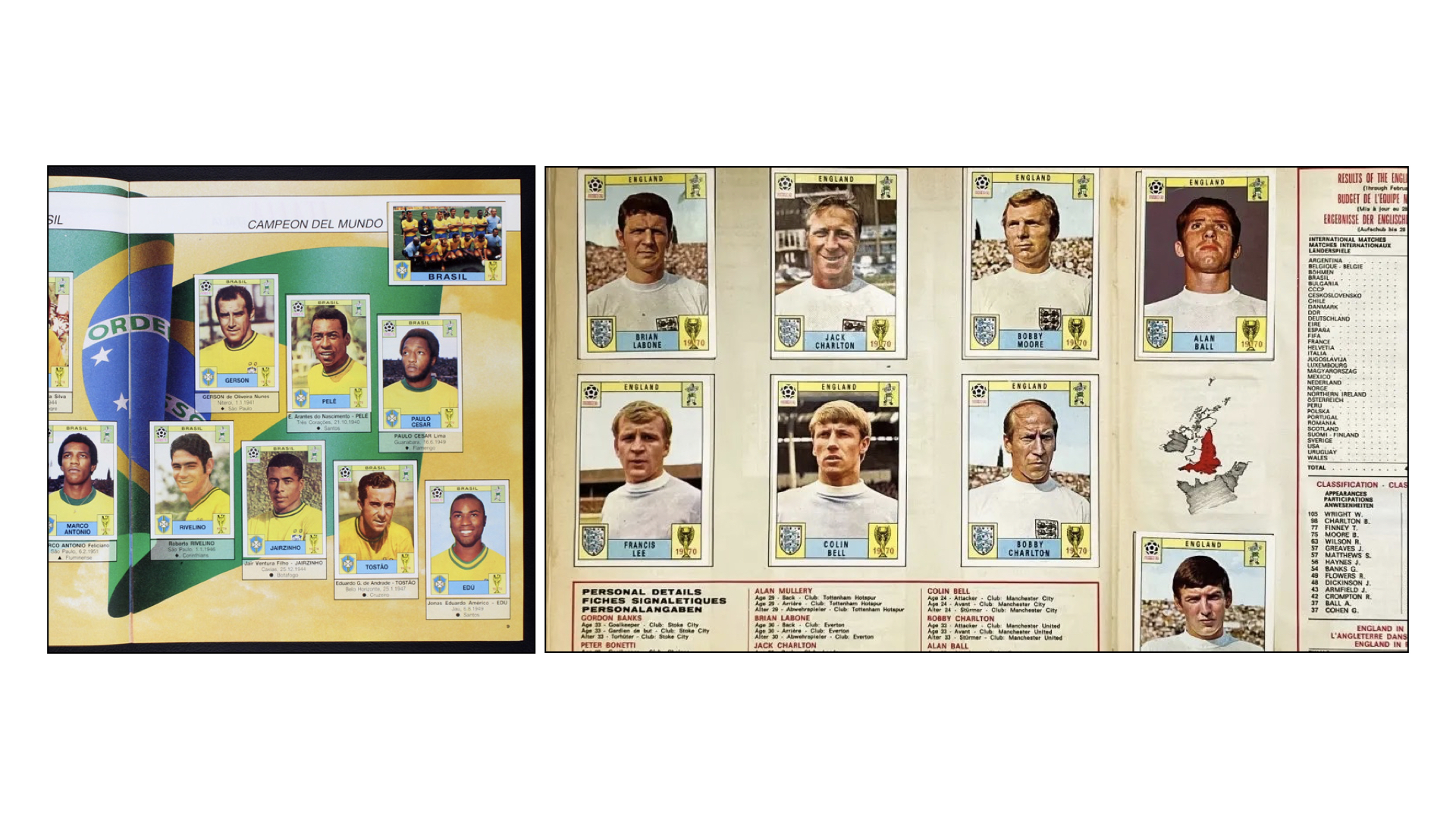
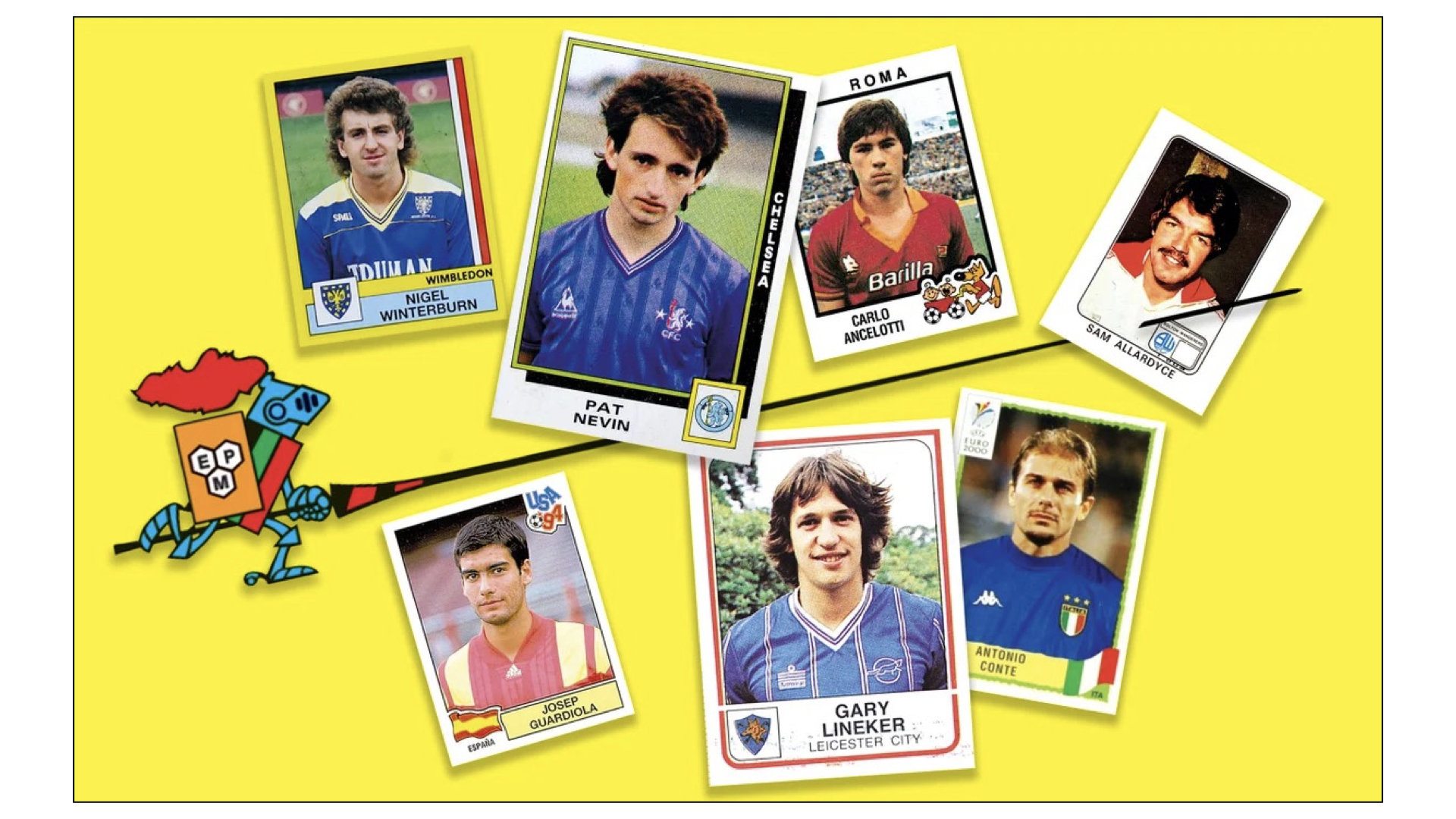
In the 1930s, the hobby shifted toward children during the Bubblegum Boom. Companies like Goudey and Topps defined the modern trading card format with player statistics, team branding and improved photography. Later, Panini transformed the global football market after its founding in 1961, popularising sticker albums, especially around World Cup tournaments. It later expanded into US sports, securing major NBA and NFL licences and introducing premium “Chrome” editions that helped push cards into investment territory.
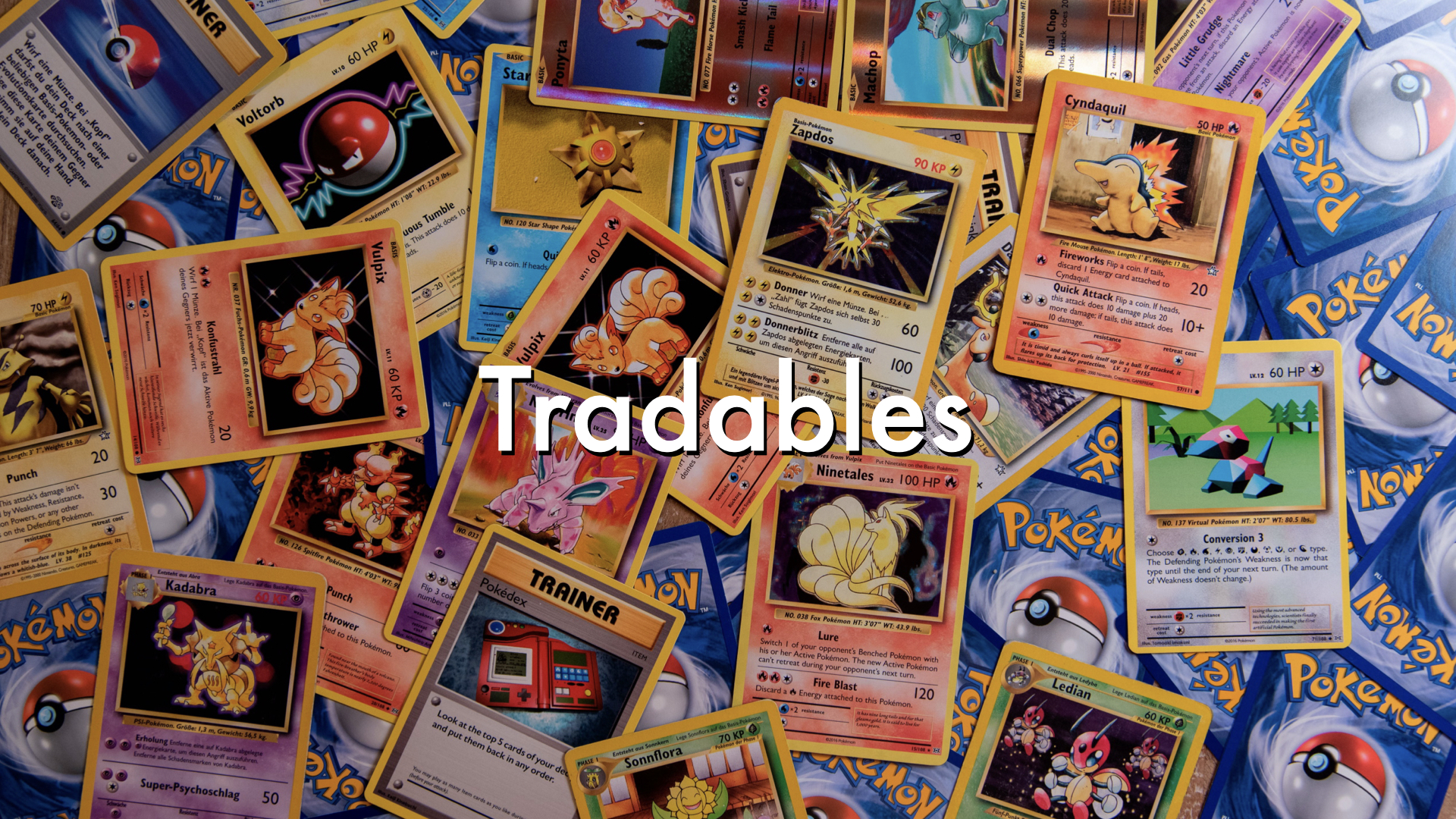
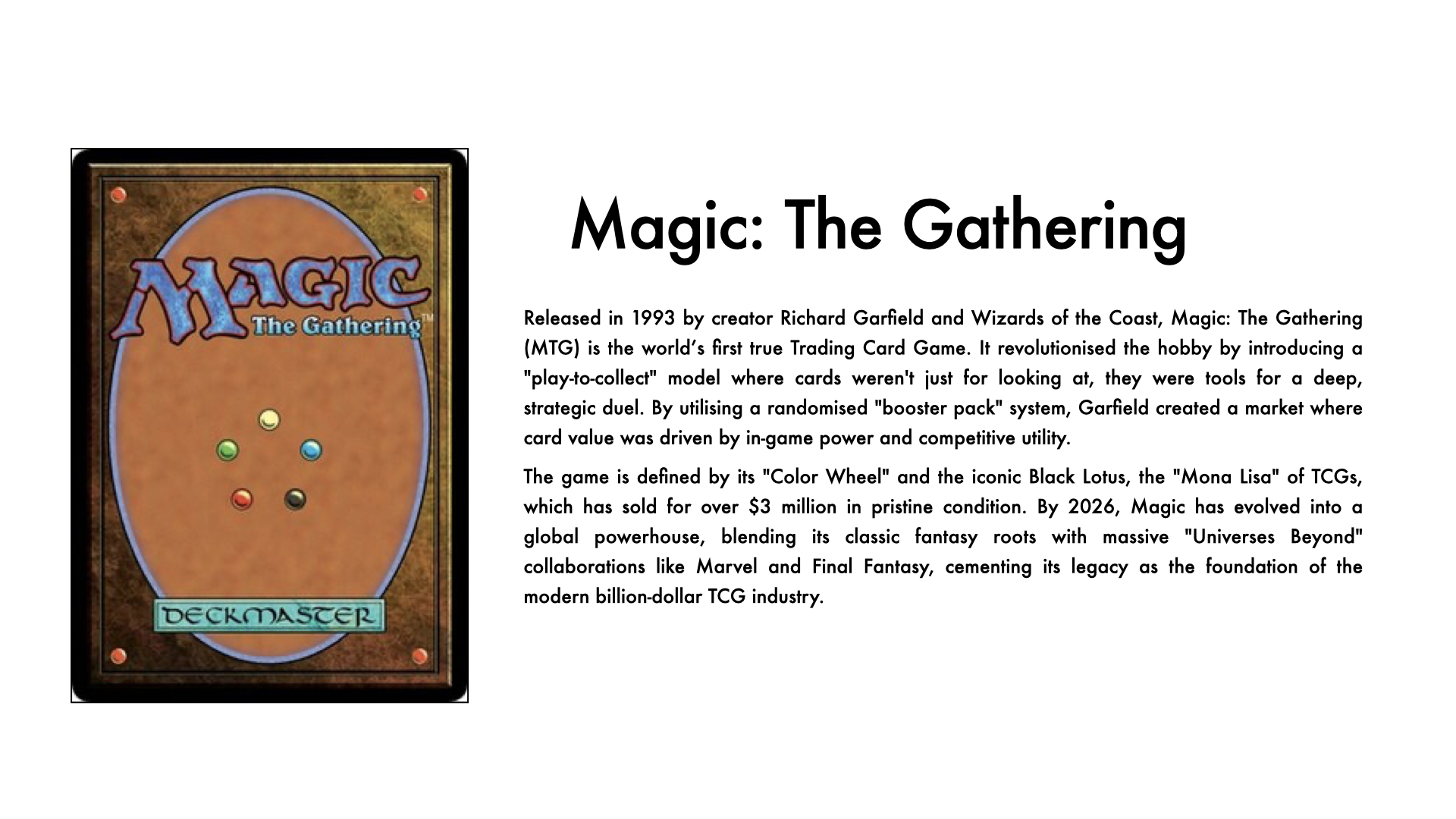
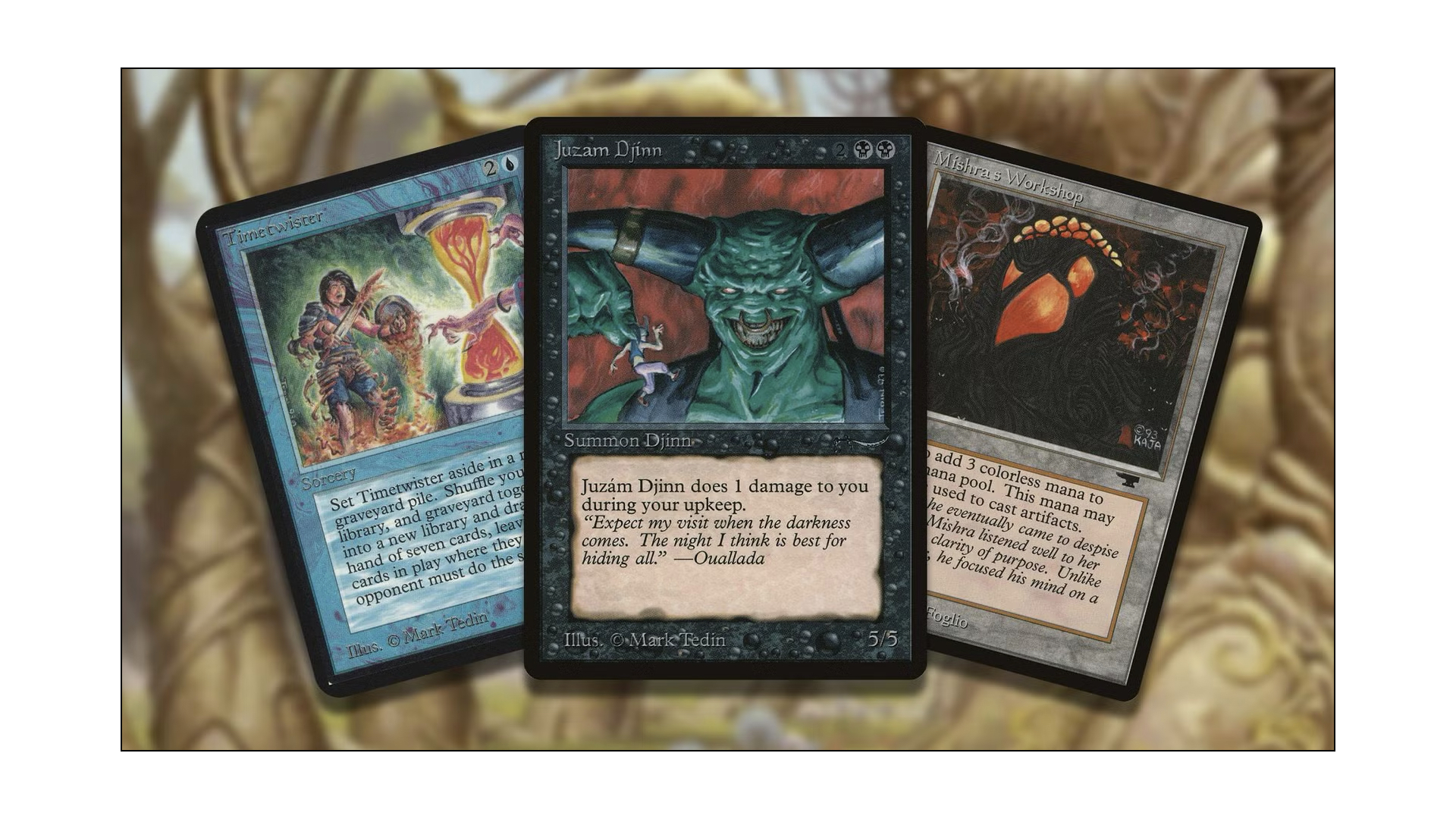
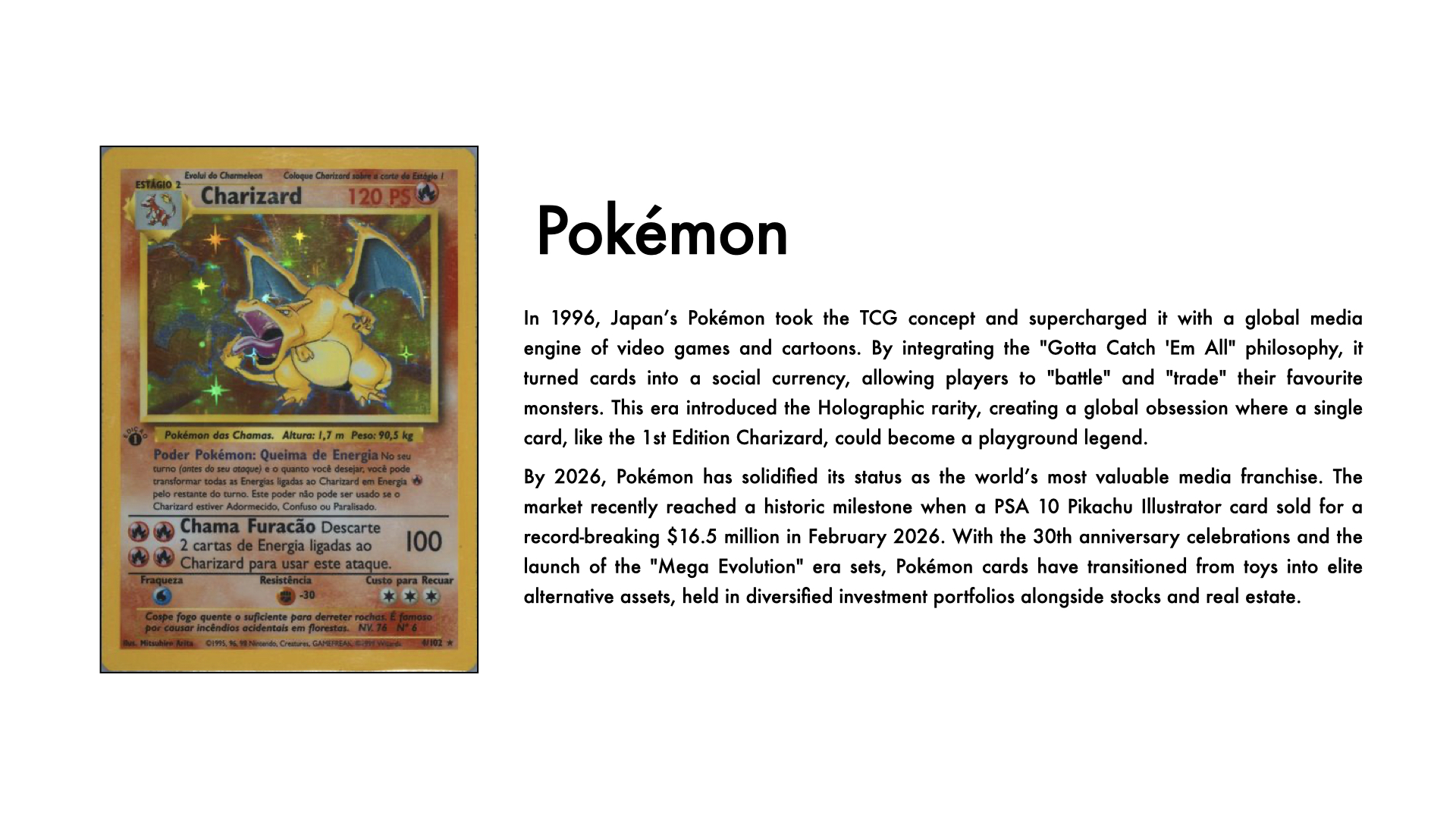
The 1990s brought a major shift with trading card games. Magic: The Gathering and Pokémon introduced gameplay into collecting, turning cards into both entertainment and currency. Pokémon in particular created a global chase culture driven by rarity, with cards becoming cultural icons. Its appeal crossed age groups and countries, blending nostalgia, art and competition.
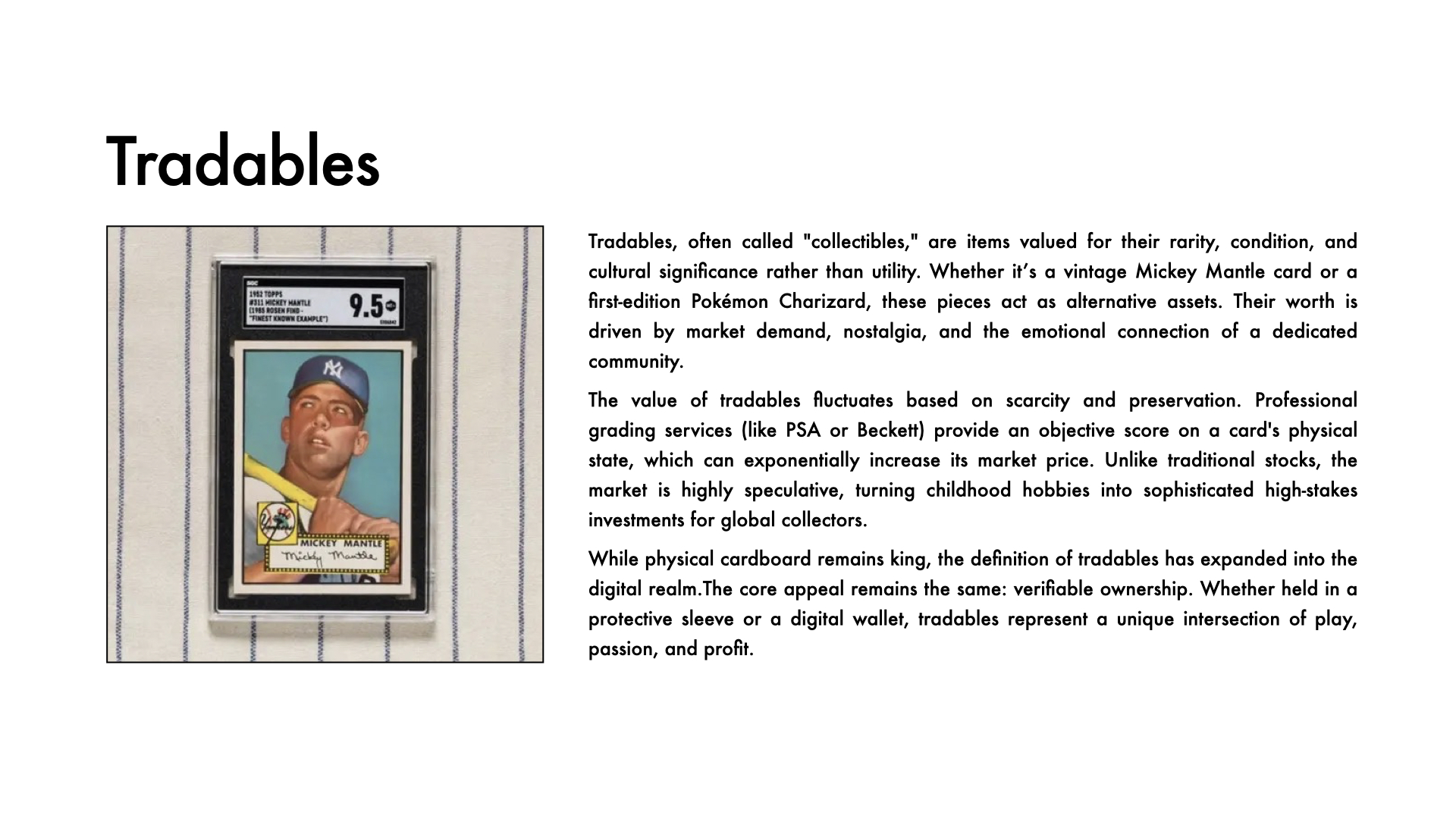
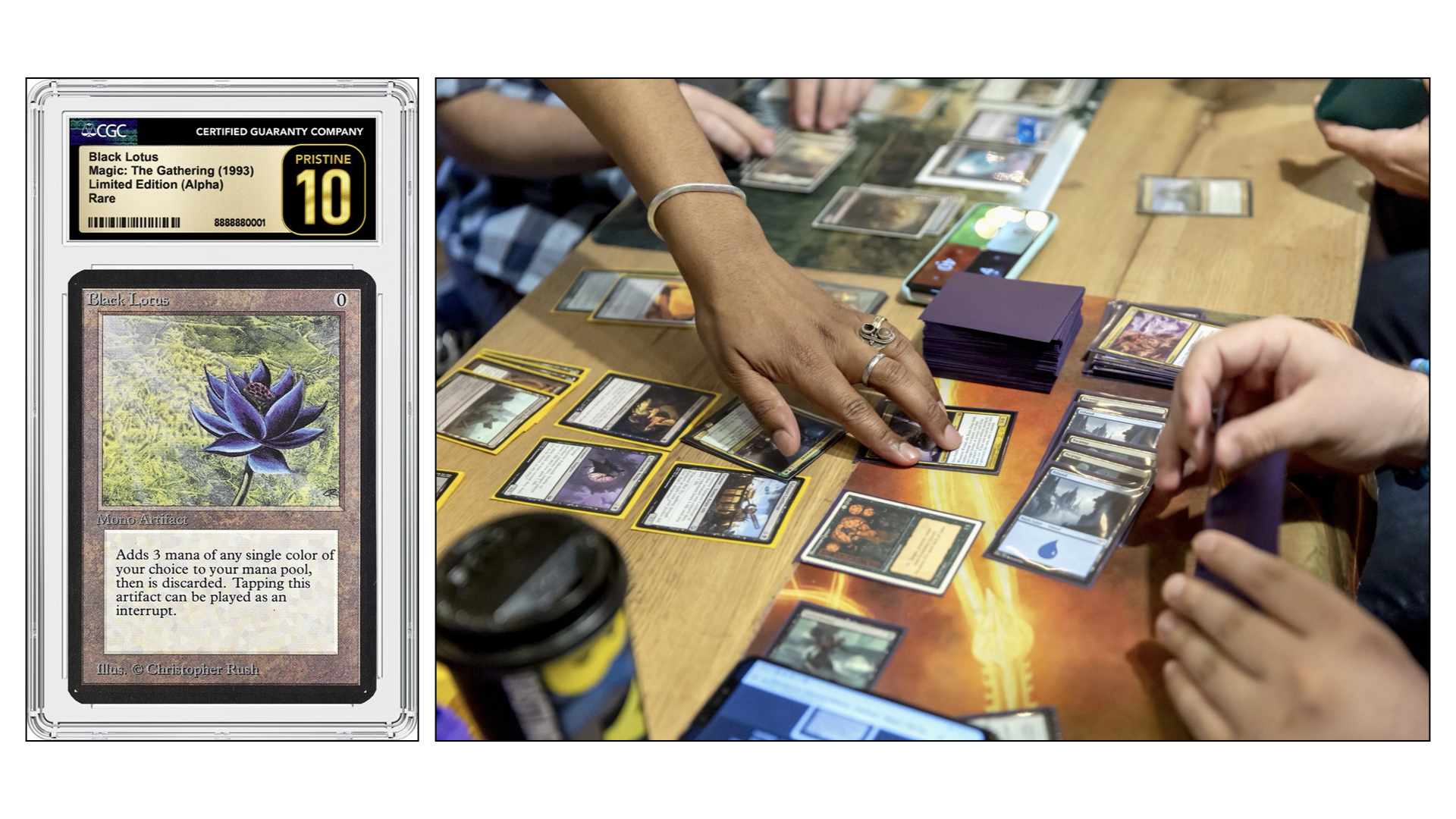
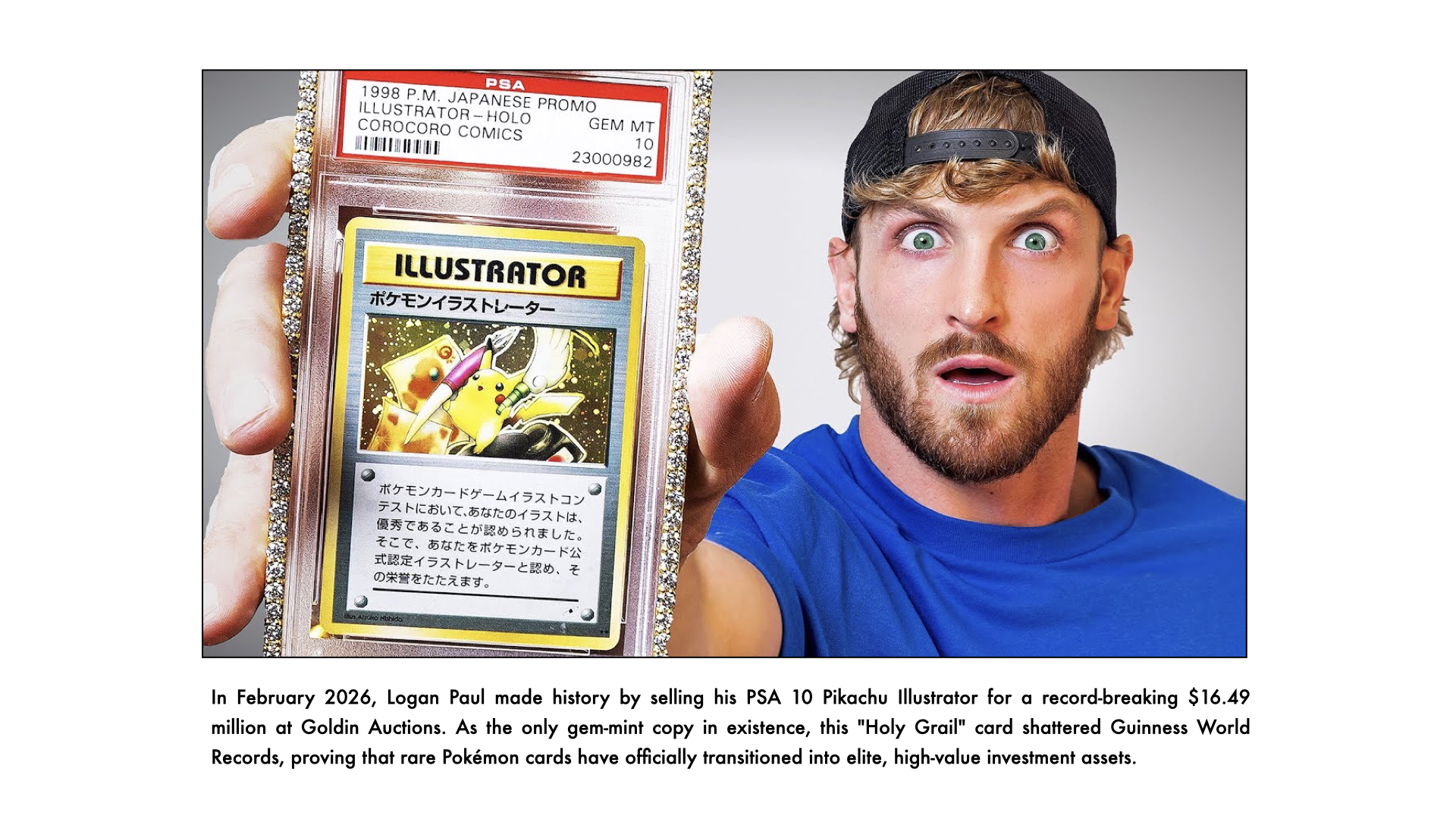
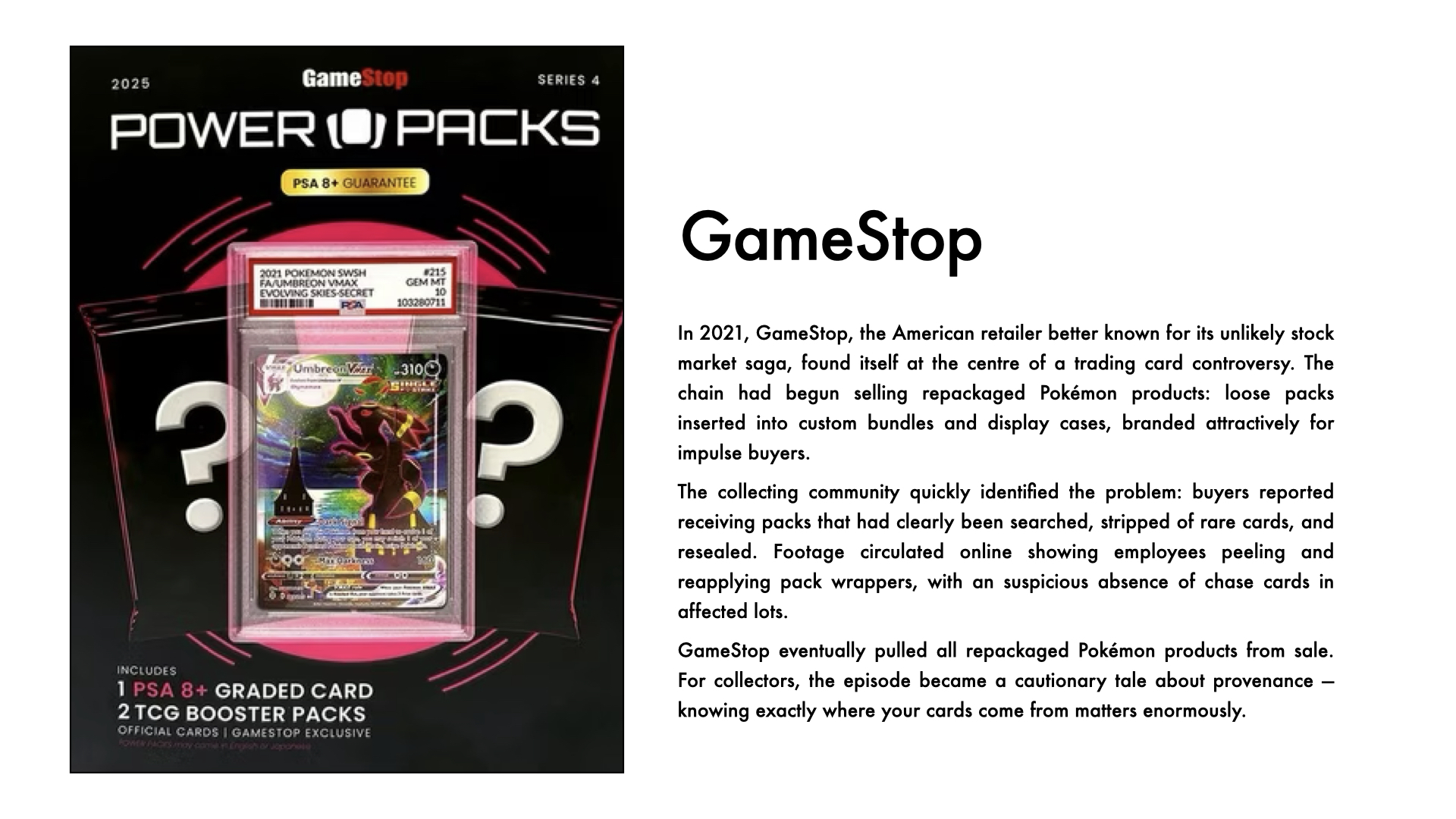
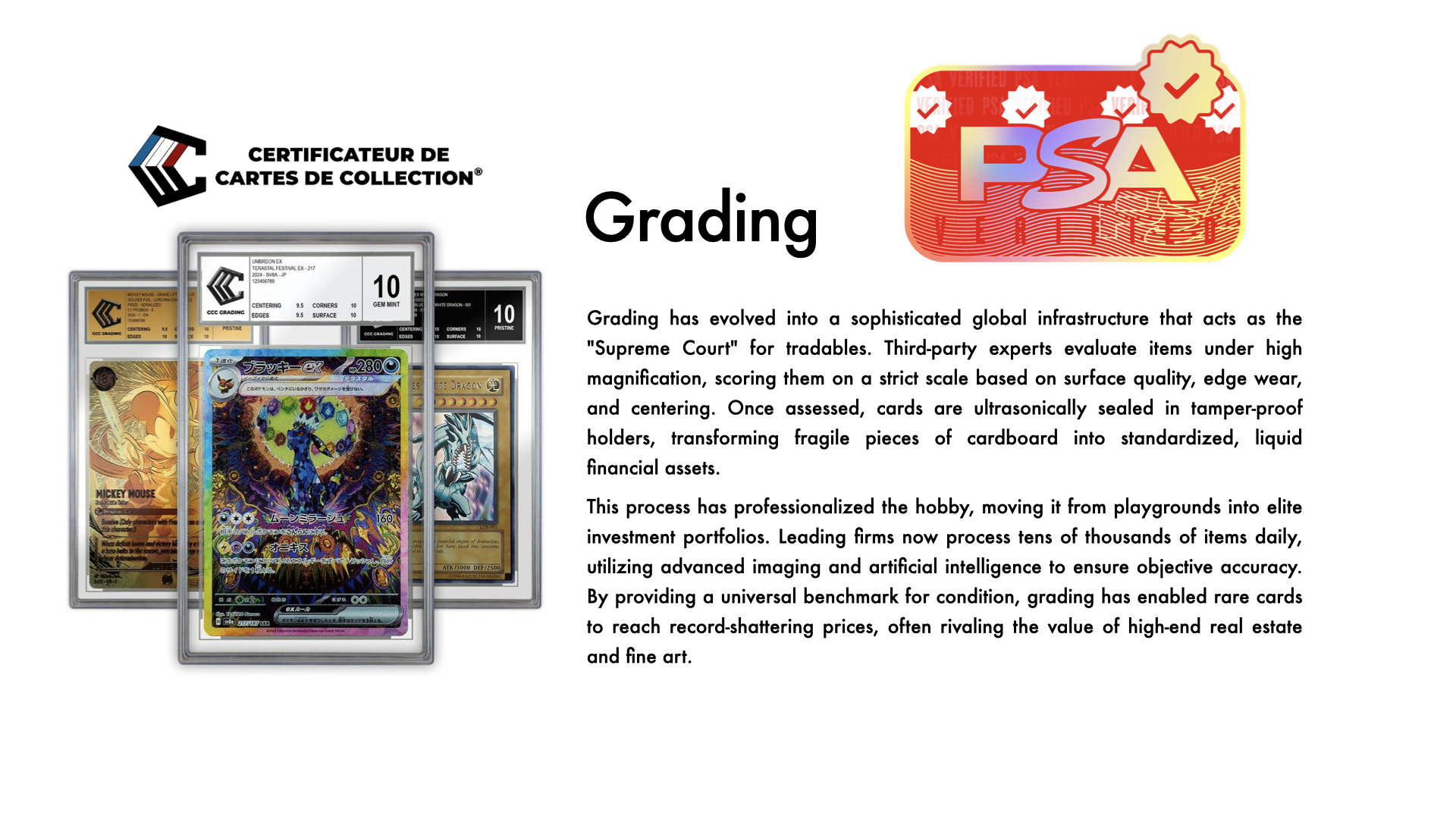
By 2026, the market has matured into a serious asset class, with high-value sales including multi million-dollar cards. Grading companies, such as PSA, authenticate and score cards on a 1 to 10 scale, sealing them in protective cases that standardise value. This process has turned fragile cardboard into liquid assets traded globally. Trading cards now sit at the intersection of nostalgia, art and financial speculation.
📽️ Slideshow
📺 Video
🔑 Key Vocabulary
- Alternative assets – non-traditional investments, such as trading cards or fine art, held alongside stocks and bonds to diversify a financial portfolio.
- Base set – the standard collection of cards in a release, excluding special inserts, parallels, or limited-edition chase cards.
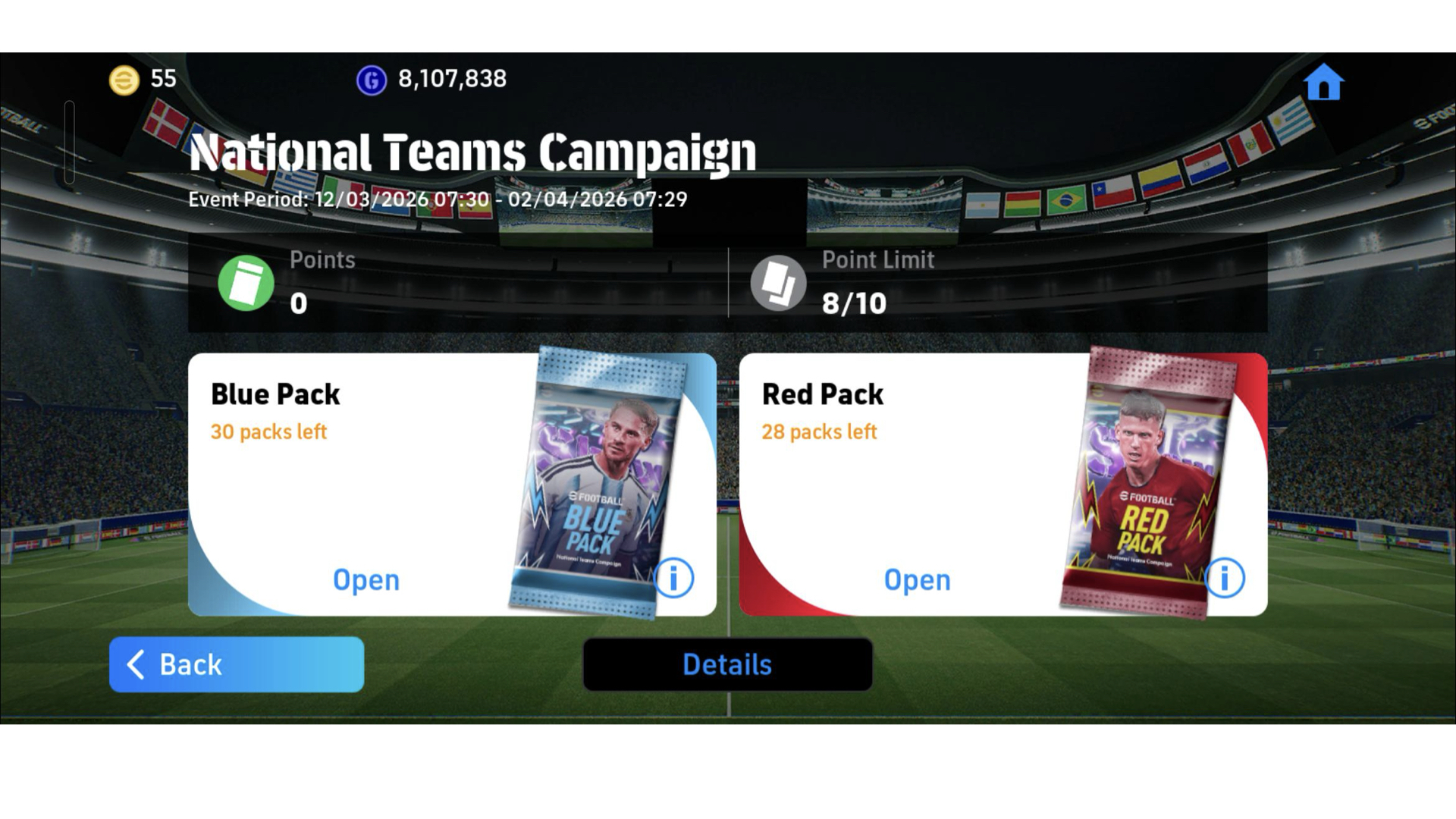
- Booster pack – a sealed foil pouch containing a randomized assortment of cards, designed to create a "chase" for rare items.
- Centering – a grading metric that measures how perfectly an image is positioned on the card relative to its borders.
- Chase card – a rare, often holographic or limited-edition card inserted into packs at low odds to drive consumer demand.
- Condition – the physical state of a card; even microscopic wear can cause a significant drop in market value.
- Fractional ownership – an investment model where multiple people own "shares" of a single, high-value card held in a secure vault.
- Gem Mint – the highest standard of grading (usually a 10), indicating a card is virtually perfect under high magnification.
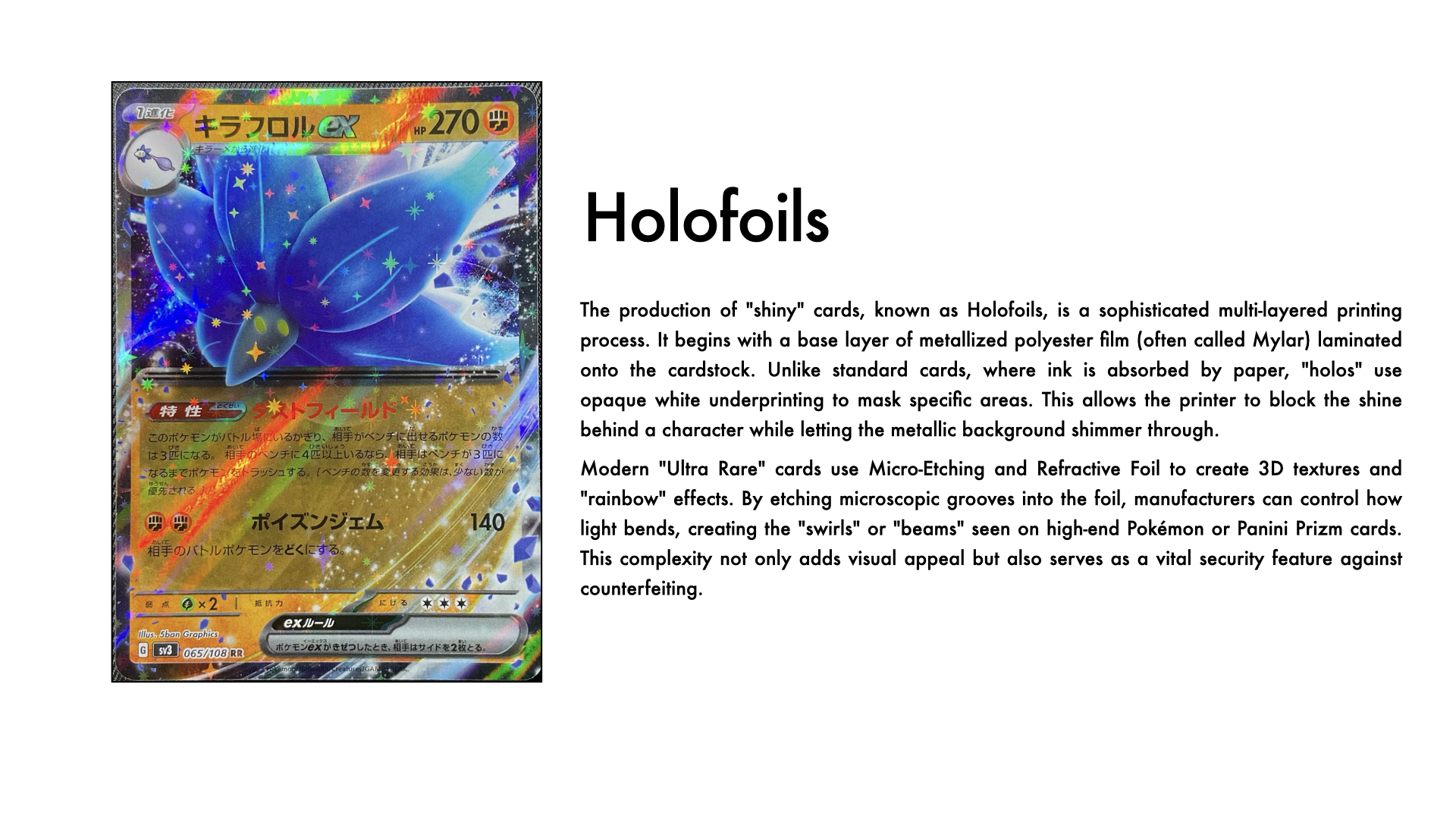
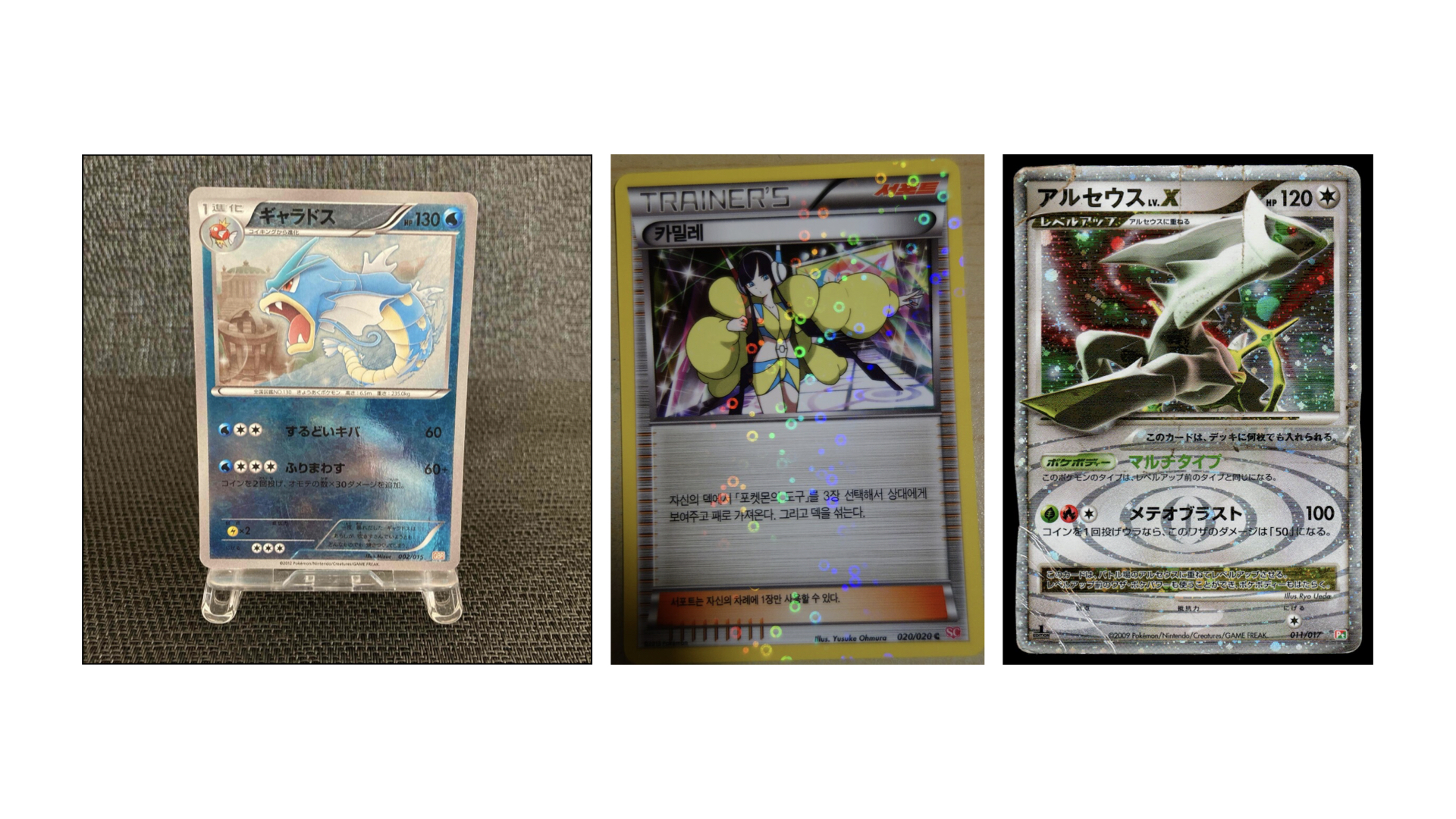
- Holographic (Holo) – a card featuring a shiny, reflective foil layer, traditionally used to denote higher rarity in TCGs like Pokémon.
- Insert – a special card that is not part of the main numbered set, often featuring unique artwork or themes.
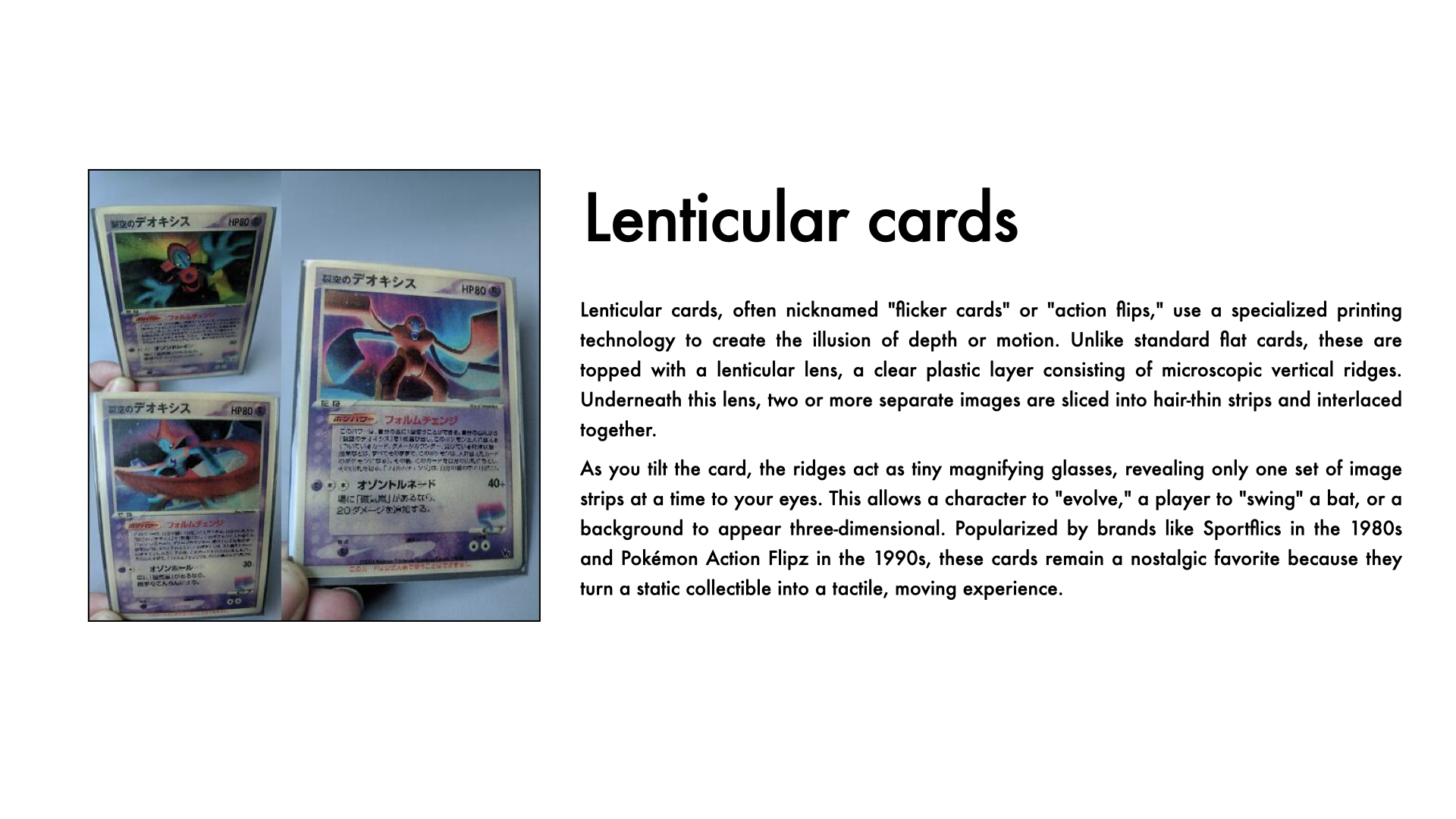
- Lenticular – a printing technology using a plastic lens to create the illusion of depth or motion when the card is tilted.
- Liquid asset – an item that can be quickly converted into cash; graded cards are considered more liquid than "raw" ungraded ones.
- Meta (Most Effective Tactic Available) – in TCGs, the current hierarchy of the most powerful decks that dictates the market value of specific cards.
- Parallel – a version of a base card with a different color, texture, or foil pattern, often produced in strictly limited quantities.
- Pop report (Population Report) – a public database provided by grading companies showing how many copies of a specific card exist in a certain grade.
- Raw – a card that has not yet been evaluated or encased by a third-party grading service.
- Slab – the protective, sonically welded plastic case used by grading companies to encapsulate and authenticate a card.
- Subgrades – specific scores given for Centering, Corners, Edges, and Surface that combine to form a card’s final grade.
💬 Conversation Questions
- Do you own any trading cards from your childhood, or did they all end up in the bin? If you still have them, do you keep them for nostalgia or as an investment?
- The transition of "toys" into "alternative assets" has seen cards sell for millions. Does this financialization make the hobby more exciting, or does it ruin the fun for casual fans?
- If you had to invest $1,000 today, would you put it into a classic sports icon like Mickey Mantle or a modern gaming powerhouse like Pokémon? What drives your choice?
- Does "slabbing" a card in a plastic case take away the joy of the hobby, or is third-party authentication necessary to protect buyers in a digital world?
- Companies like Panini and Topps fight for exclusive rights to leagues. Does this monopoly help the hobby by creating a "gold standard," or does it hurt collectors by removing competition?
- Influencers like Logan Paul have brought millions of new eyes to the hobby but also caused prices to skyrocket. Has their involvement been a net positive or a net negative for the average collector?
- Manufacturers now create thousands of "1-of-1" parallels and limited inserts. Do you think this creates genuine value, or is the market at risk of another "junk wax" crash?
- In the UK, Cricket and Soccer cards are historic favorites, while the US focuses on Baseball and Football. Why do you think certain sports translate so well to collectibles while others don't?
- Would you ever pay thousands of dollars for a digital card (NFT) that you can't physically touch, or is the tactile feel of the cardboard a mandatory part of the experience?
- If you were in charge of a company like Wizards of the Coast or Topps, how would you balance making the cards affordable for kids while keeping them valuable for high-end investors?
🌐 Links
- BBC - Panini: First ever World Cup Sticker album up for sale
- The Guardian - Swapsies and shinies: 60 years of Panini football stickers
- Dicebreaker.com - The History of Black Lotus: Magic: The Gathering's legendary Holy Grail card
- bsportscards.com - The Most Outrageous Trading Cards Ever Made
- Professional Sports Authenticator (PSA)