Week 1️⃣ 5️⃣
Acronyms & Initialisms
🔊 Audio
📜 Show transcript
Acronyms and initialisms are part of everyday English, and they are easy to confuse. Both are made from the first letters of longer names, but acronyms are spoken as words, while initialisms are spoken letter by letter.
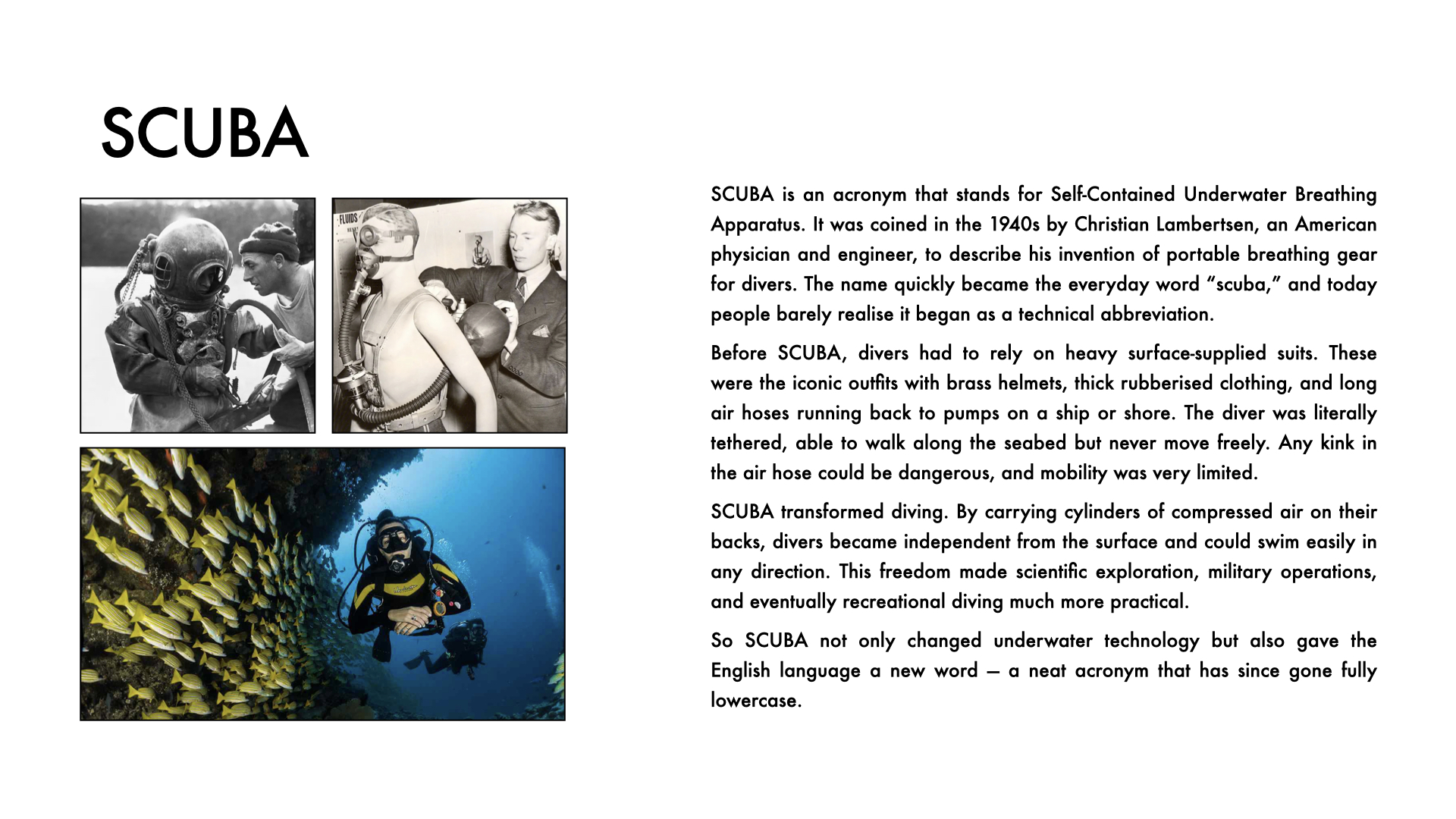
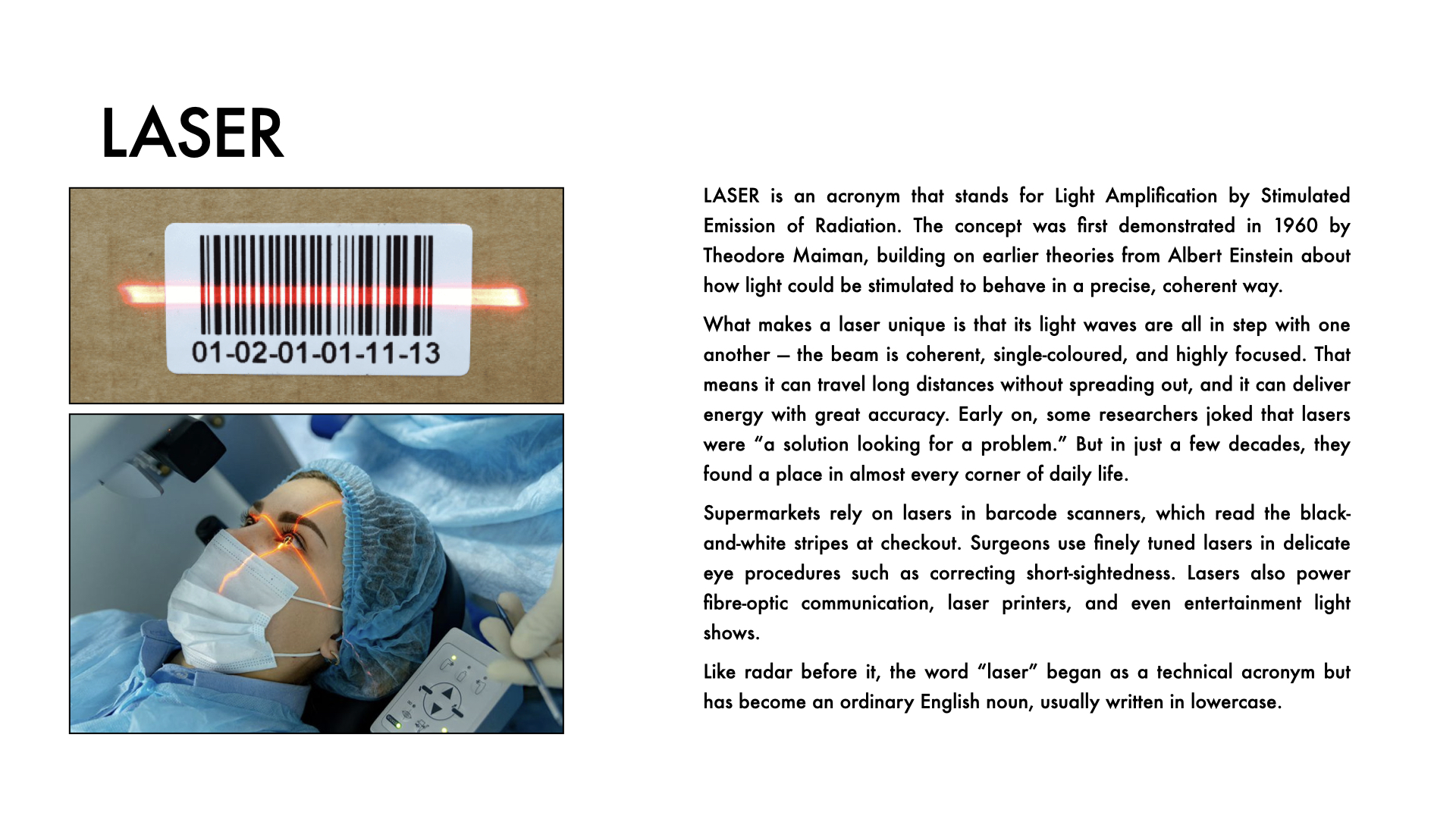
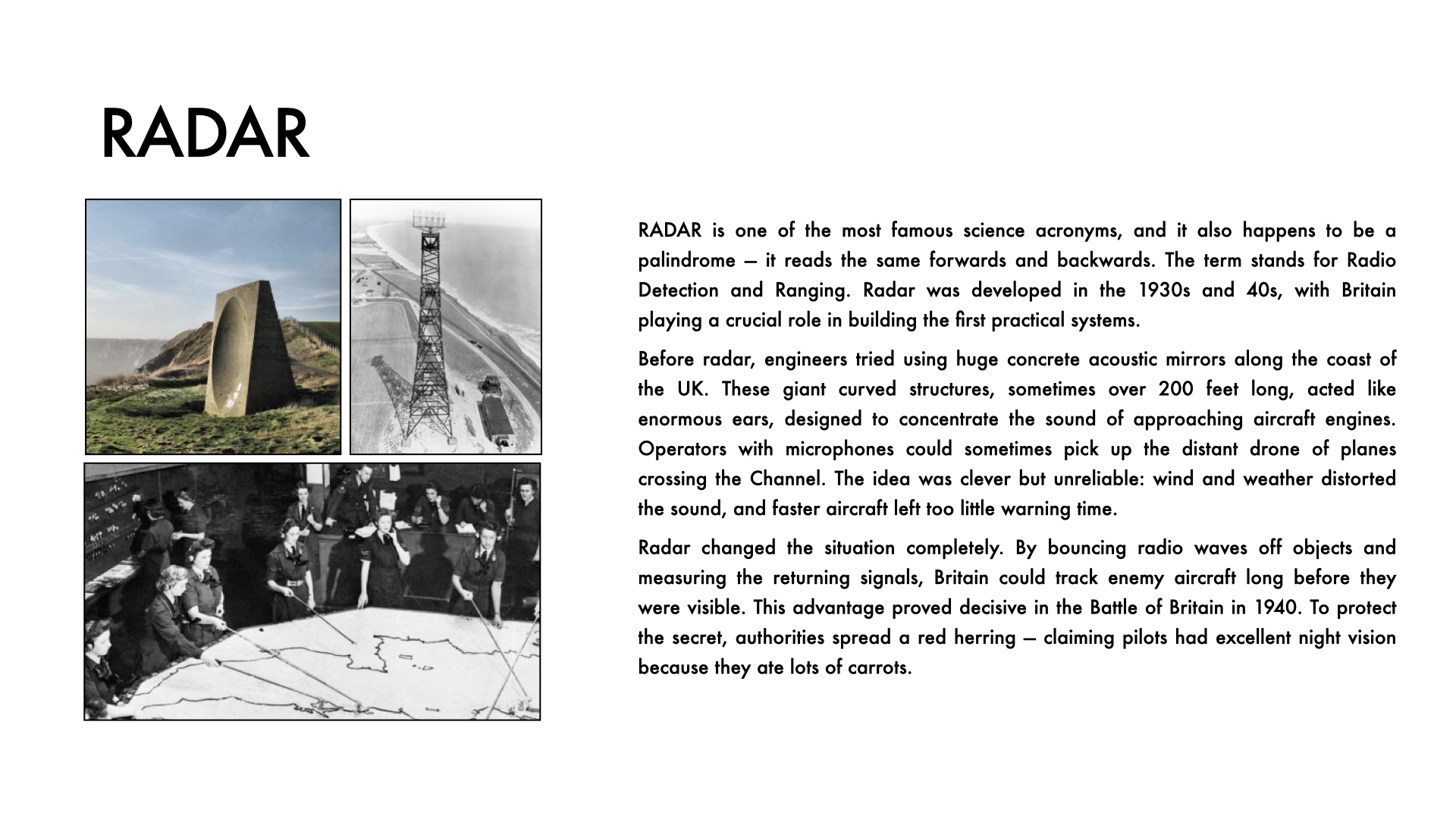
Science has given us some of the clearest examples. SCUBA began as Self-Contained Underwater Breathing Apparatus, while RADAR means Radio Detection and Ranging, and LASER stands for Light Amplification by Stimulated Emission of Radiation. All three started as specialised scientific terms but are now everyday words.
Global organisations rely on acronyms too. UNESCO, UNICEF, UEFA, and FIFA are all spoken as words and recognised worldwide. Space exploration added its own: NASA, the National Aeronautics and Space Administration, deliberately designed to be short and memorable.
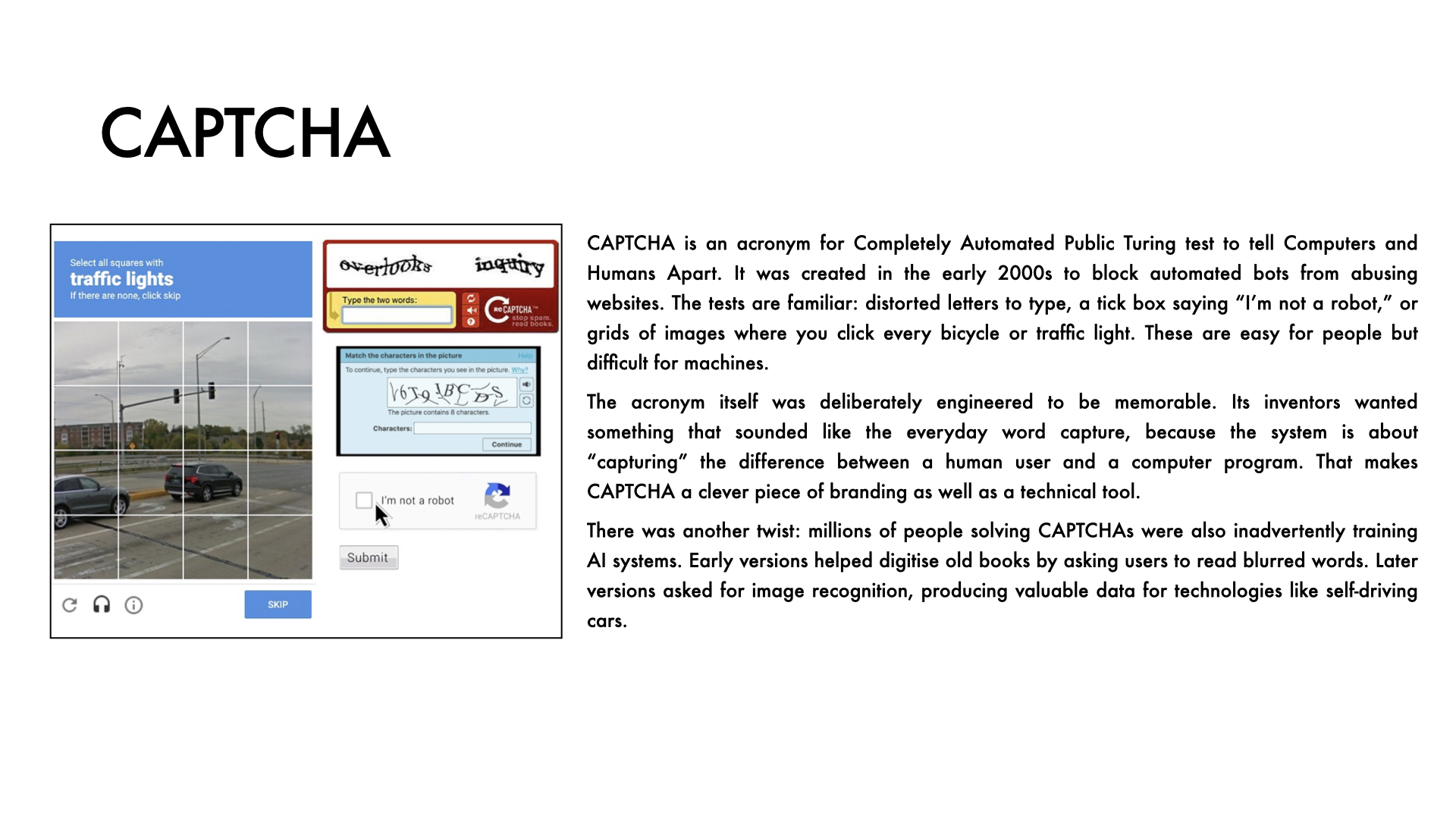
CAPTCHA, the puzzle that asks you to identify traffic lights or type distorted letters to prove you are human, stands for Completely Automated Public Turing test to tell Computers and Humans Apart. It's one of the most convoluted acronyms in everyday use, and one that most people encounter daily without ever knowing what it means.
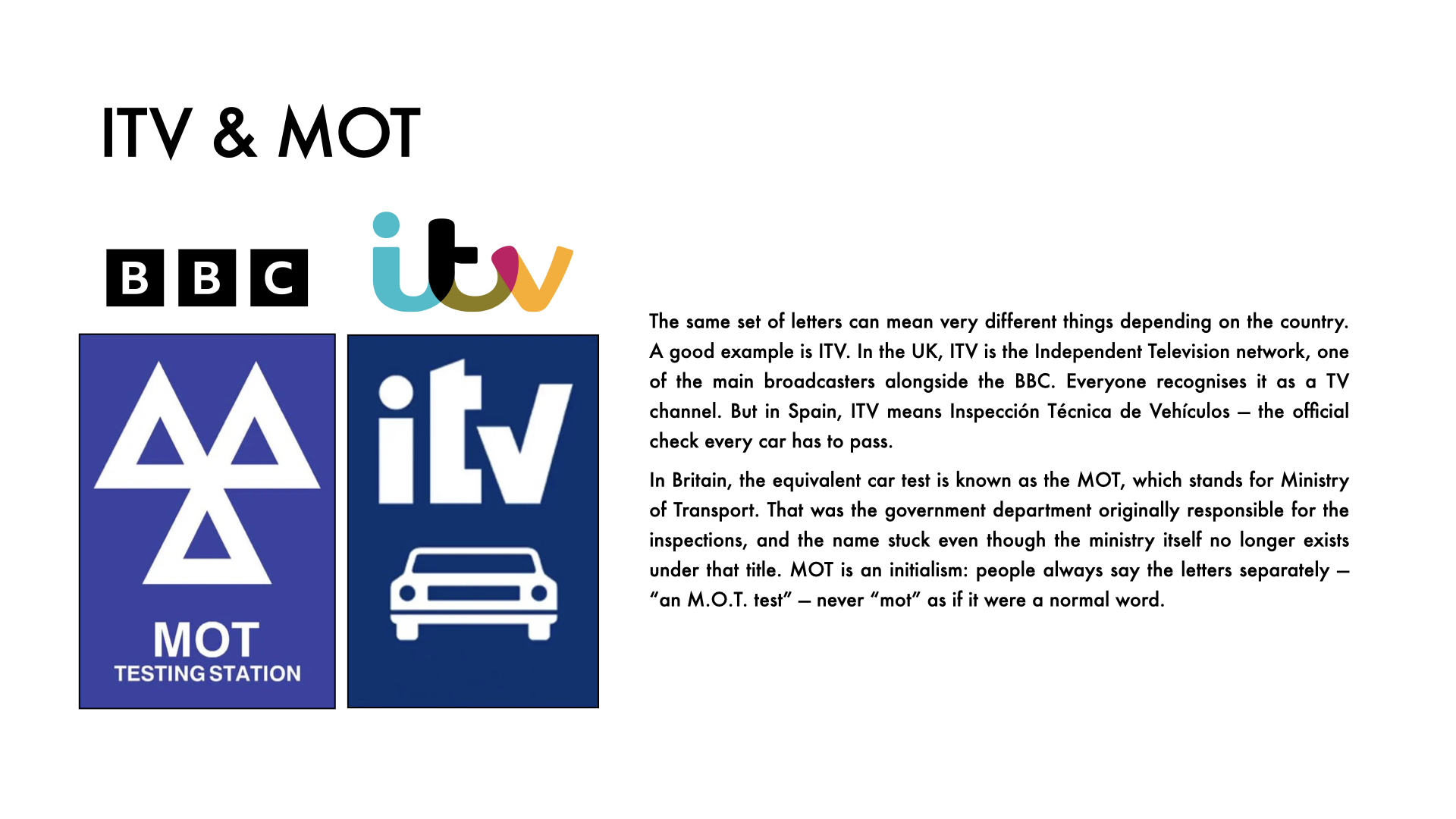
Initialisms, by contrast, stay as letters. The BBC is the British Broadcasting Corporation and MTV, or Music Television dominated the television economy in the 1990s. ITV means Independent Television in the UK, but the same three letters in Spain refer to a vehicle inspection, the equivalent of the British M.O.T. test, which stands for Ministry of Transport. People always say the individual letters, never "mot", despite the fact it could be pronounced as an ancronym.
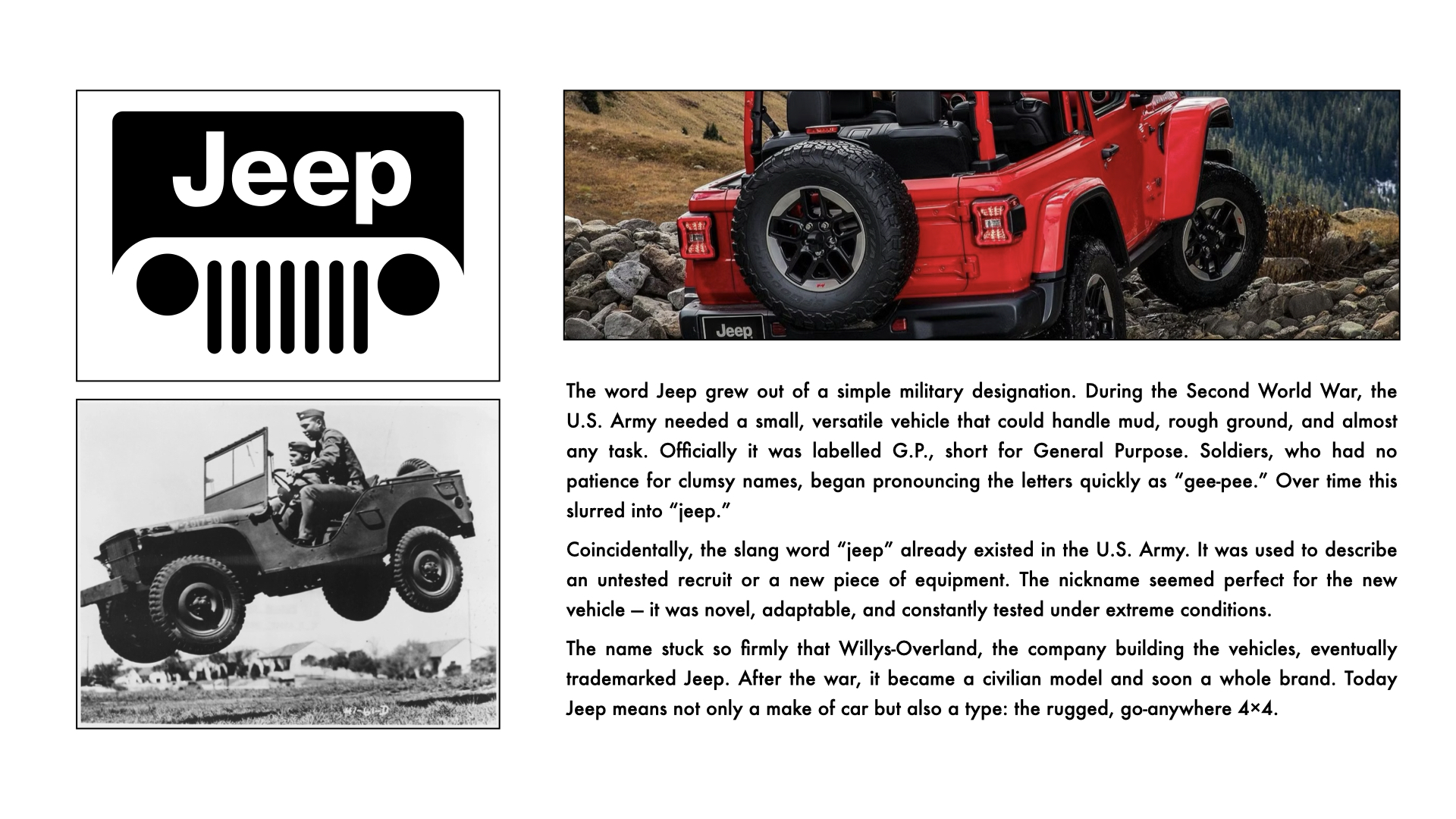
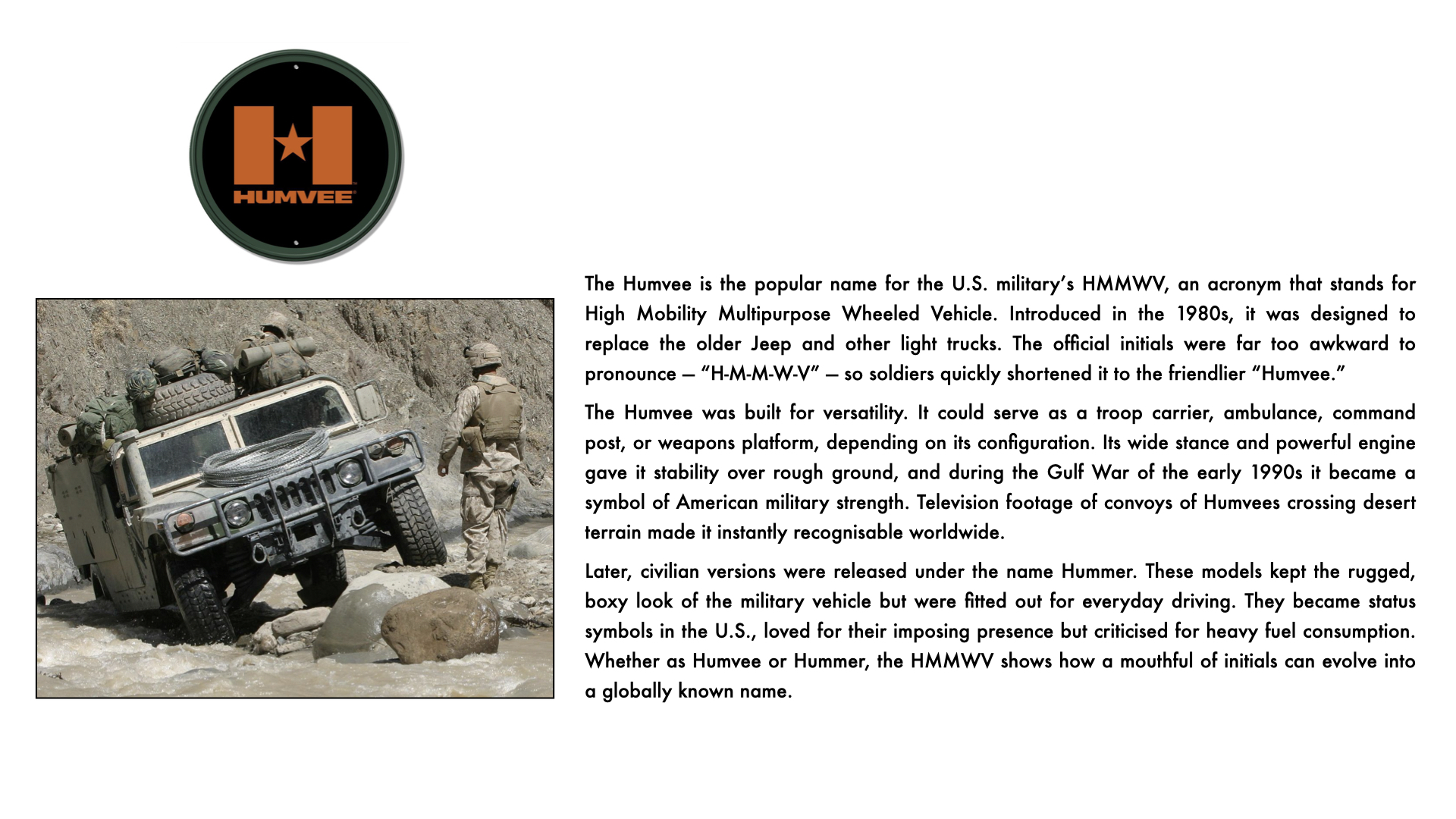
Some names evolve in unexpected ways. The military vehicle now called the Jeep was originally designated G.P. for General Purpose. The soldiers quickly abbreviated "gee-pee" into "jeep," the nickname stuck, and after the war it became a global brand.
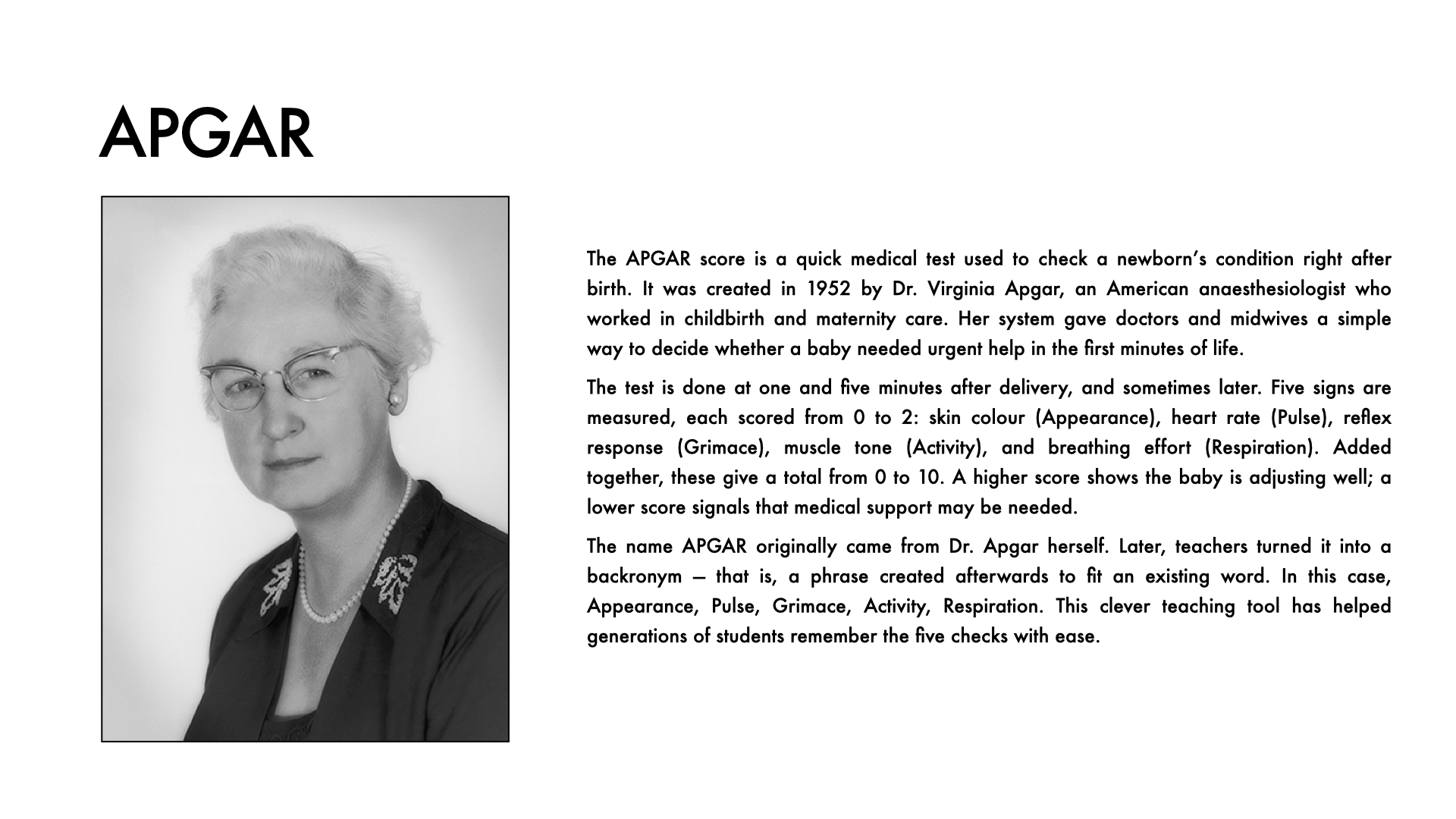
Finally, there is the idea of the backronym, when a word exists first and people later invent a phrase to fit the letters. The APGAR score, used to check the health of newborn babies, was named after Dr Virginia Apgar, but teachers later turned it into Appearance, Pulse, Grimace, Activity and Respiration, so students could remember it more easily.
📽️ Slideshow
🔑 Key Vocabulary
- AIDS — Acquired Immune Deficiency Syndrome
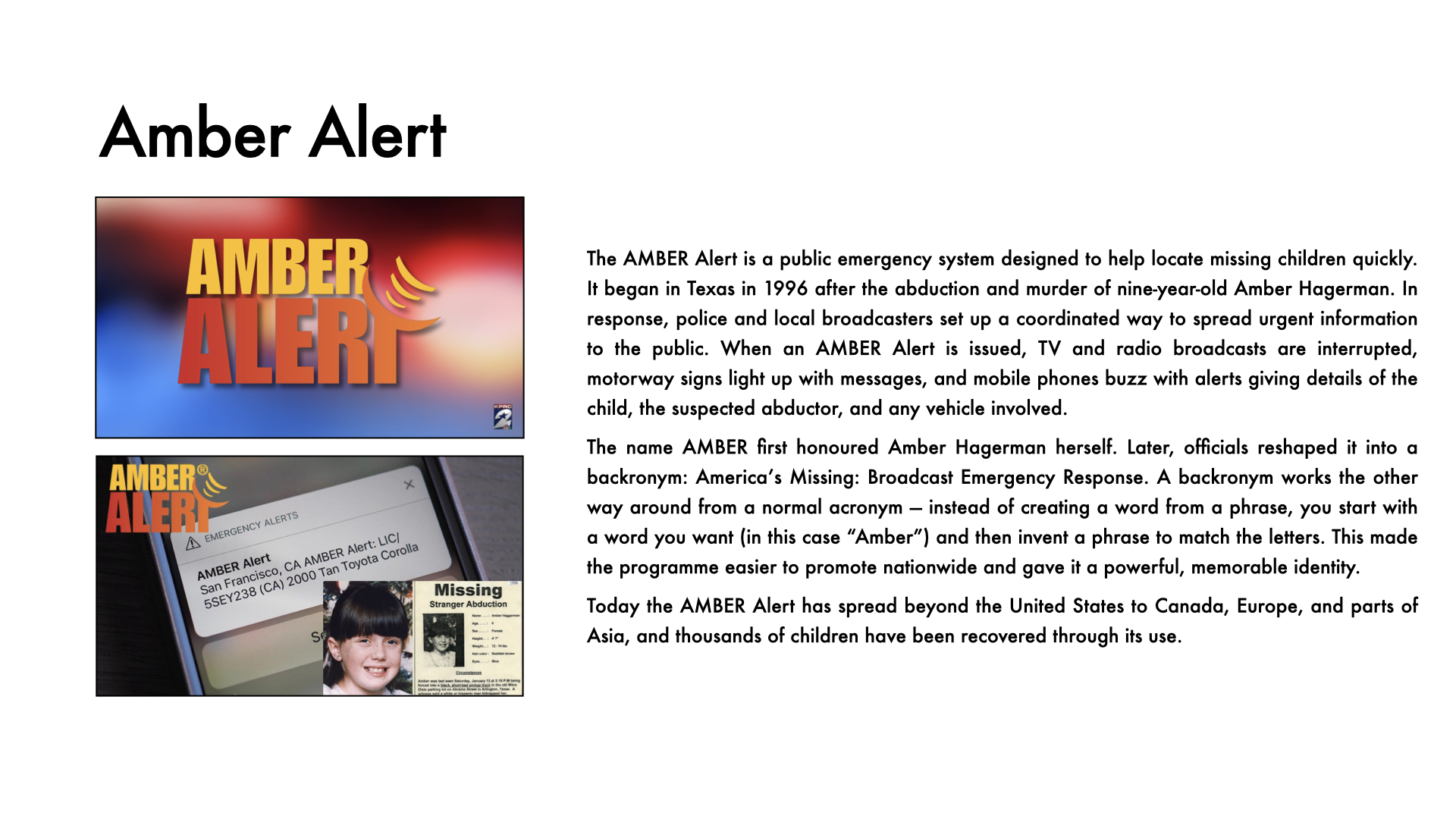
- AMBER — America’s Missing: Broadcast Emergency Response
- APGAR — Appearance, Pulse, Grimace, Activity, Respiration
- BBC — British Broadcasting Corporation
- CAPTCHA — Completely Automated Public Turing test to tell Computers and Humans Apart
- CIA — Central Intelligence Agency
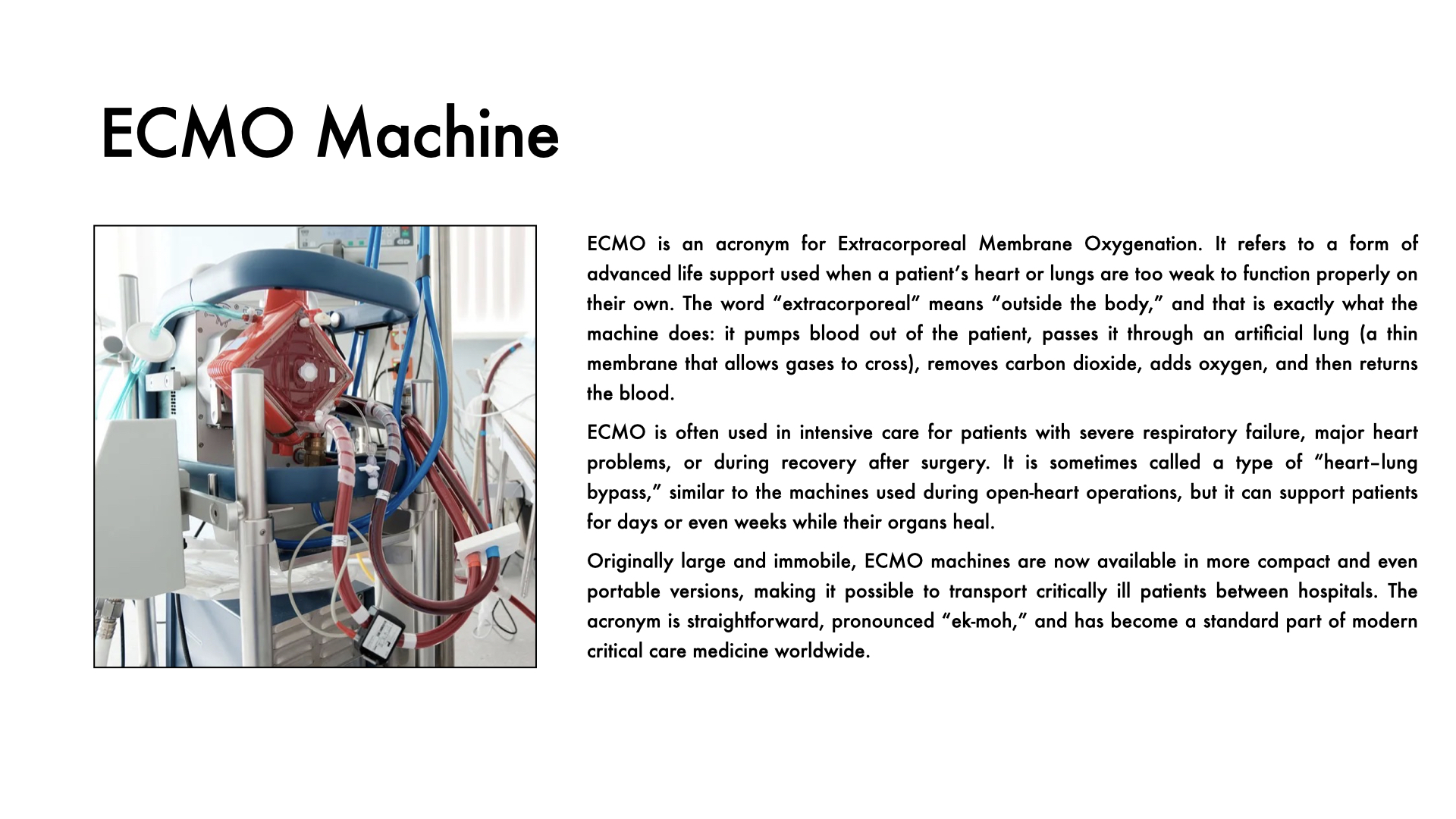
- ECMO — Extracorporeal Membrane Oxygenation
- FBI — Federal Bureau of Investigation
- FIFA — Fédération Internationale de Football Association
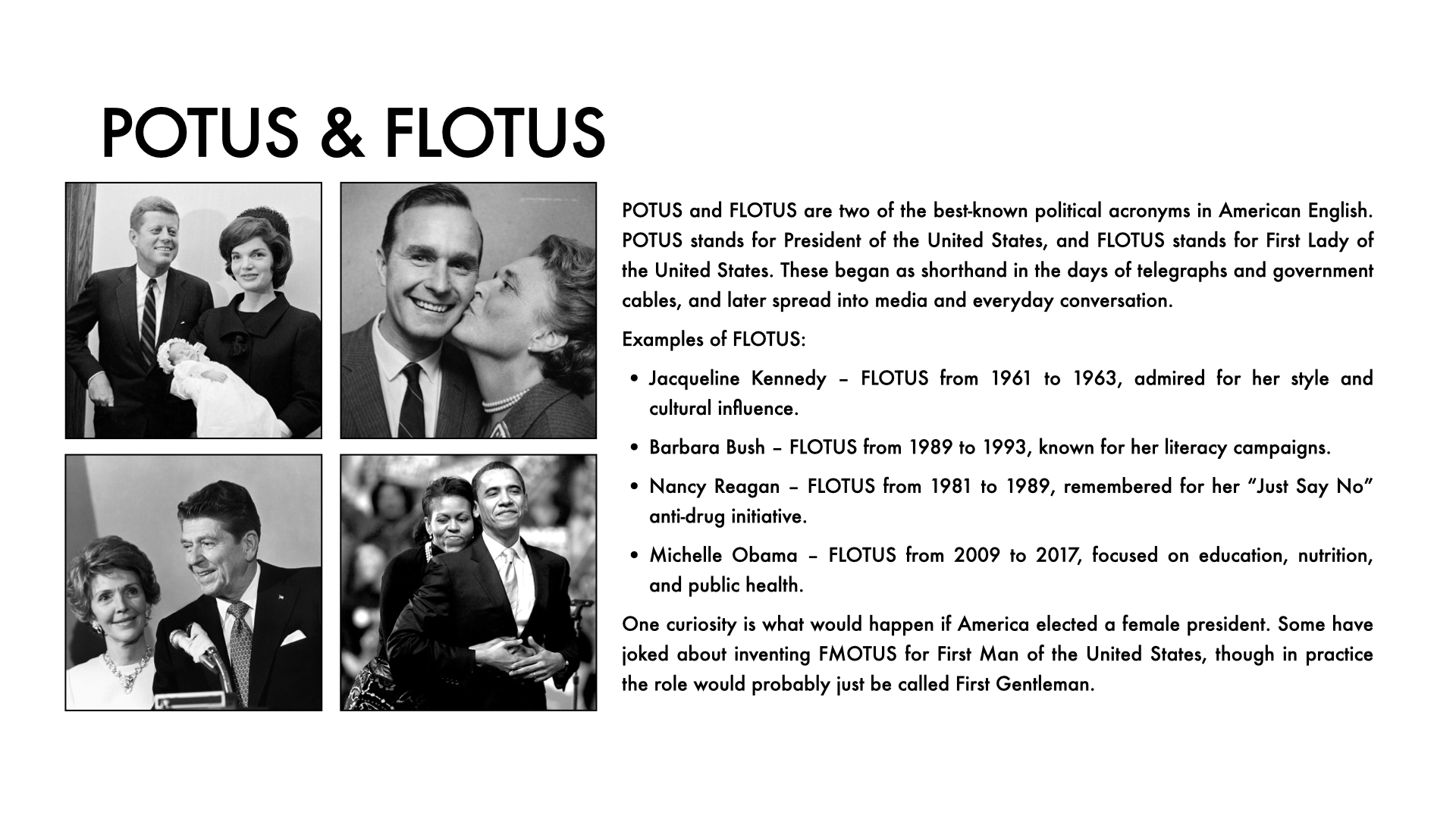
- FLOTUS — First Lady of the United States
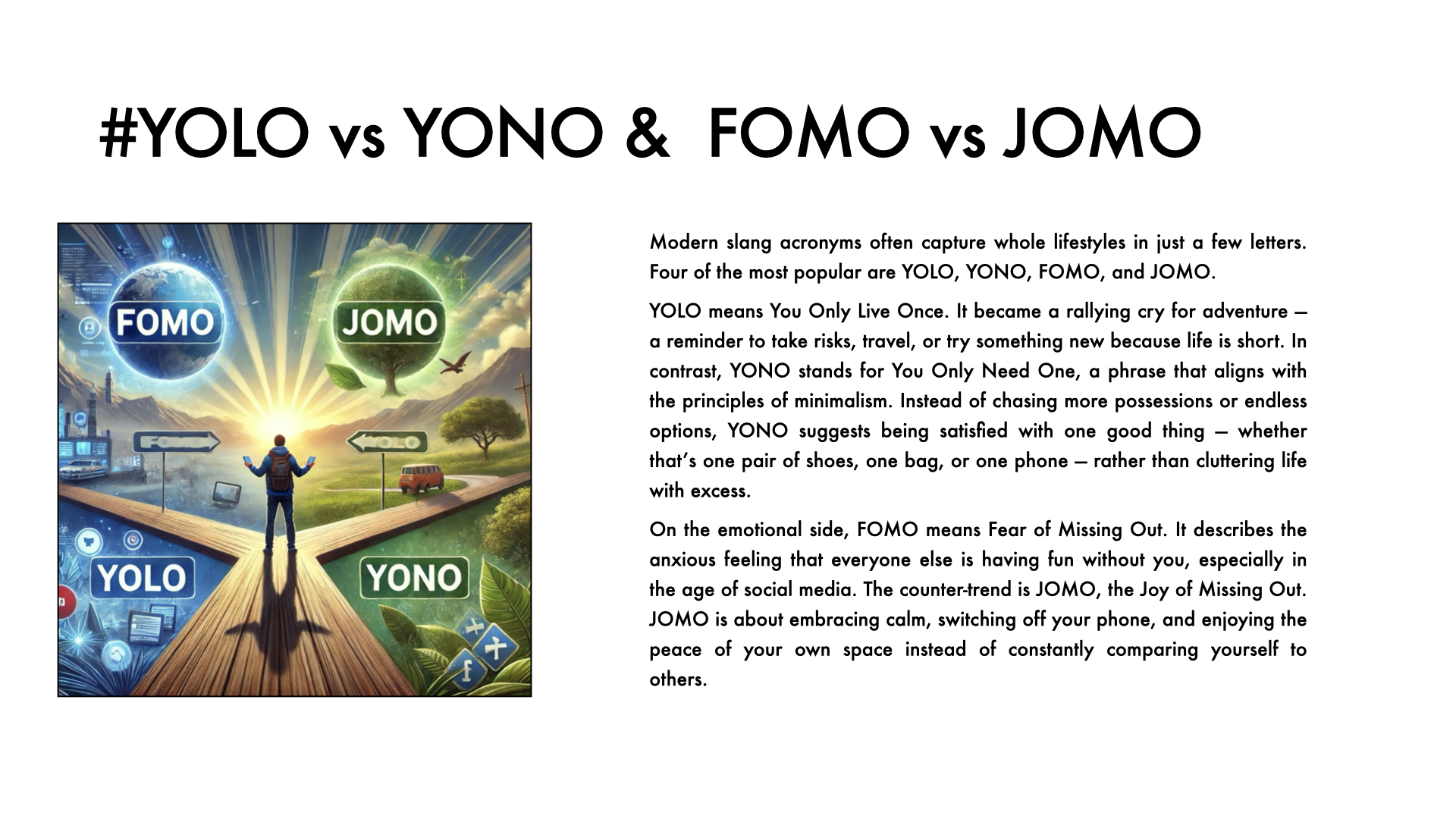
- FOMO — Fear of Missing Out
- GP — General Purpose (U.S. Army vehicle designation) / General Practitioner (UK doctor)
- HMMWV — High Mobility Multipurpose Wheeled Vehicle (Humvee)
- ITV — Independent Television (UK) / Inspección Técnica de Vehículos (Spain)
- JOMO — Joy of Missing Out
- LASER — Light Amplification by Stimulated Emission of Radiation
- MOT — Ministry of Transport test
- NASA — National Aeronautics and Space Administration
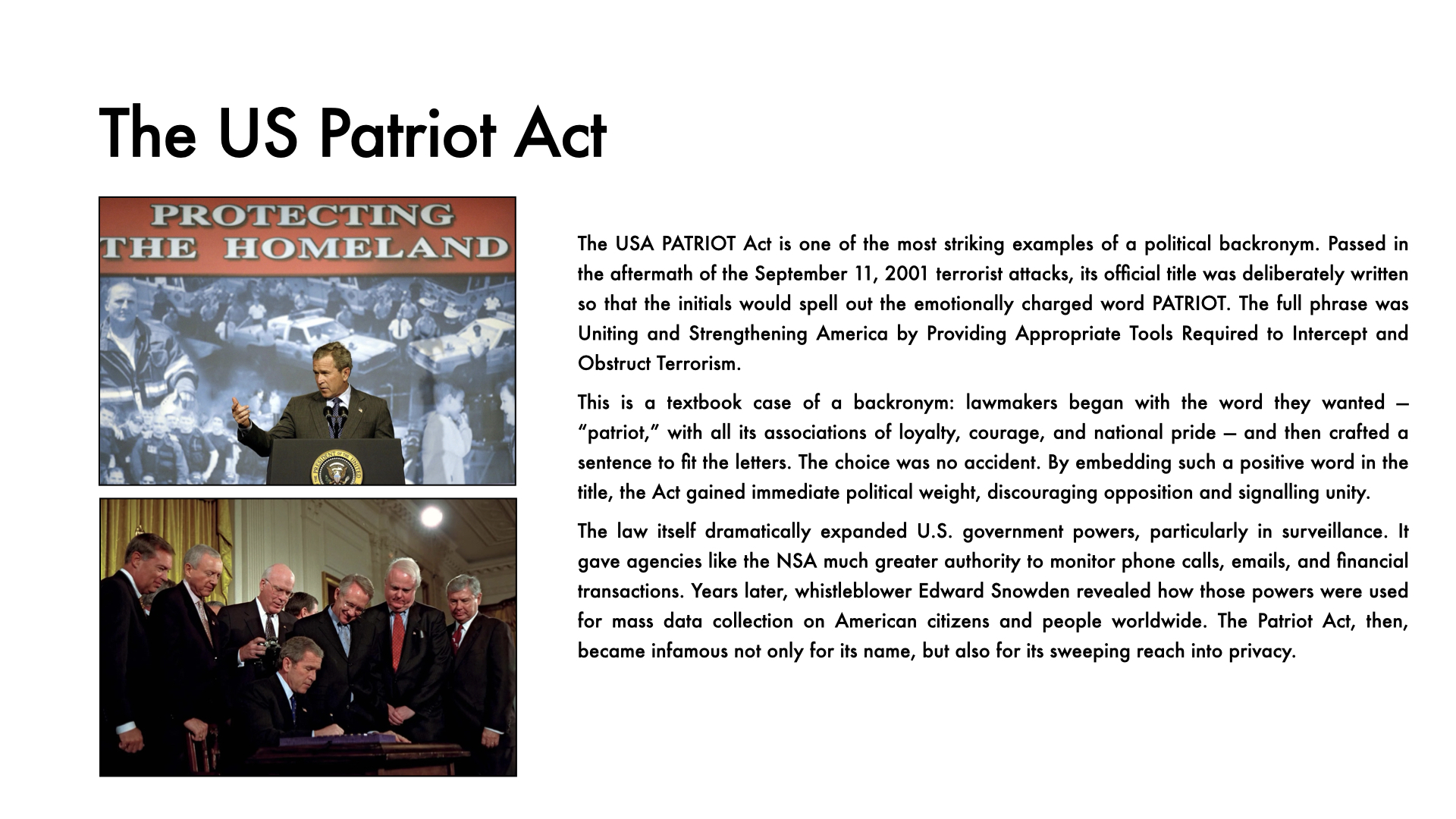
- PATRIOT — Uniting and Strengthening America by Providing Appropriate Tools Required to Intercept and Obstruct Terrorism
- POTUS — President of the United States
- RADAR — Radio Detection and Ranging
- SCUBA — Self-Contained Underwater Breathing Apparatus
- UEFA — Union of European Football Associations
- UNESCO — United Nations Educational, Scientific and Cultural Organization
- UNICEF — United Nations International Children’s Emergency Fund
- USA — United States of America
- YOLO — You Only Live Once
- YONO — You Only Need One
💬 Conversation Questions
- Do you watch the BBC?
- What TV programmes do you usually watch on BBC or ITV?
- When is your car’s next ITV or MOT test?
- Have you ever forgotten to renew your MOT or vehicle inspection?
- Do you prefer watching football with UEFA competitions or FIFA tournaments?
- What’s your favourite World Cup or Champions League memory?
- Have you ever been scuba diving, or would you like to try?
- Would you feel safe driving a Jeep or a Humvee in your city?
- Do you trust news organisations like the BBC or do you prefer independent media?
- What do you think about the BBC being funded by a TV licence fee?
- How do you feel about government surveillance agencies like the FBI or CIA?
- Do you think acronyms like NASA or UNESCO make organisations sound more powerful?
- Have you ever received an AMBER Alert on your phone, or seen something similar?
- Do you think acronyms like YOLO and FOMO influence how people behave?
- What role do you think acronyms play in shaping culture and politics?
🌐 Links
- NASA – National Aeronautics and Space Administration
- BBC – British Broadcasting Corporation
- FIFA – Fédération Internationale de Football Association
- UEFA – Union of European Football Associations
- UNESCO – United Nations Educational, Scientific and Cultural Organization
- UNICEF – United Nations Children’s Fund
- FBI – Federal Bureau of Investigation
- CIA – Central Intelligence Agency
- World AIDS Day – Official site
- AMBER Alert – U.S. Department of Justice